
logo03farmer-04logo03logo03
  • Home
  • About us
  • Products
    • Choline Chloride Powder
    • Allicin powder
    • Corn Gluten Meal
    • Chicken Meal
    • Fish Meal
    • DCP 18%
    • MCP 22%
    • Betaine HCL 98%
    • Soybean Meal
    • Folic Acid
    • Choline Chloride Liquid
  • Certification & Transportation
  • NEWS
    • Industry technology
    • Choline Chloride knowledge
    • Poultry Meal Knowledge
  • Exhibition
  • Contact us

Choline Chloride Powder Feed Grade

  • Home
  • product Choline Chloride
  • Choline Chloride Powder Feed Grade
Feed-Grade Allicin Additive: Technical Specifications, Antimicrobial Kinetics, and Strategic Application in Livestock, Poultry, and Aquaculture
May 5, 2026
Betaine 98% Feed Grade Additive
July 20, 2026
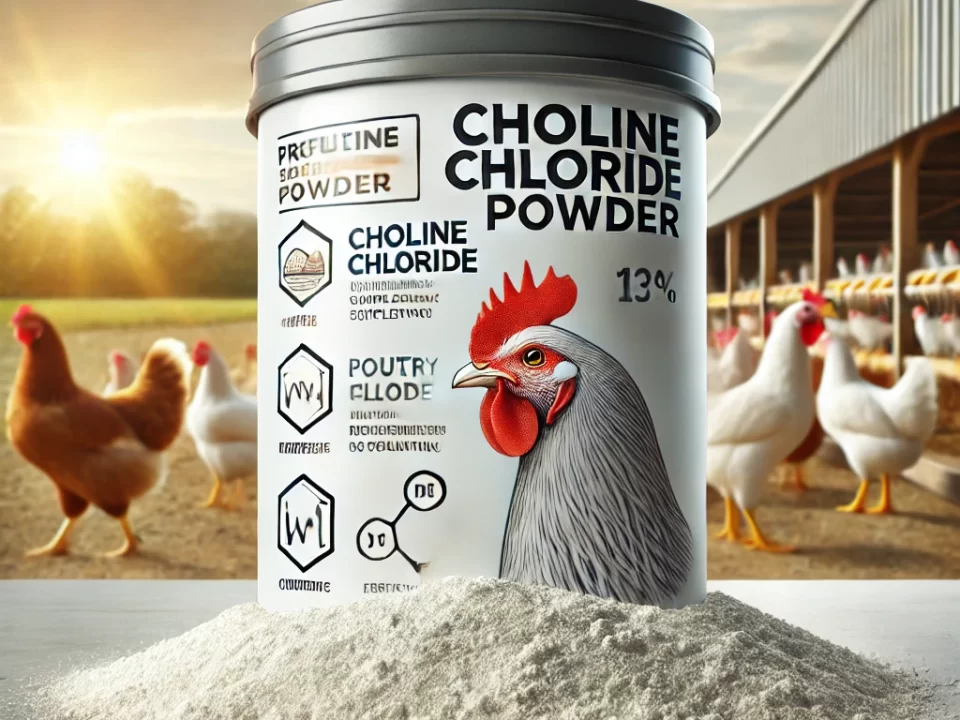
Choline Chloride Powder Feed Grade

INDUSTRIAL FEED NUTRITION ENHANCER • CAS 67-48-1

Choline Chloride Powder Feed Grade

Global Specification Standard for Animal Growth, Hepatic Lipid Mobilization, Neurodevelopment, and High-Yield Metabolic Efficiency across Livestock, Poultry, Swine, and Aquaculture Feed Formulations.


Explore Technical Specifications

DATA INDEX HIGHLIGHTS

Key Technical Metrics & Index Parameters

CAS REGISTRY
67-48-1
Standardized Chemical Identifier
MOLECULAR FORMULA
C5H14ClNO
Molar Mass: 139.62 g/mol
STANDARD ASSAY
50% – 60%
Silica & Corncob Carrier Options
APPARENT DENSITY
500 kg/m³
Optimized Flowability Index

1. Molecular Architecture & Chemical Fundamentals

Choline Chloride (2-Hydroxy-N,N,N-trimethylethanaminium chloride) is a quaternary ammonium salt synthesized through the reaction of ethylene oxide, hydrochloric acid, and trimethylamine. As a core constituent of the water-soluble B-complex vitamin spectrum (historically categorized as Vitamin B4), choline plays an indispensable bio-chemical role in maintaining structural membrane integrity, supporting cellular signaling pathways, accelerating hepatic lipid transport, and functioning as a metabolic source of labile methyl groups.

Chemical Identity & Structural Formula

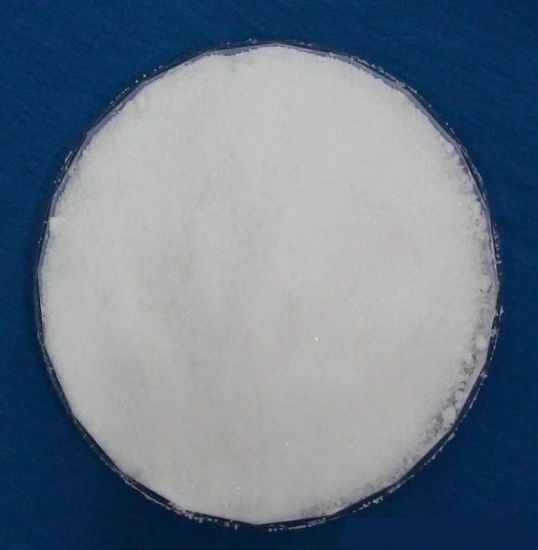
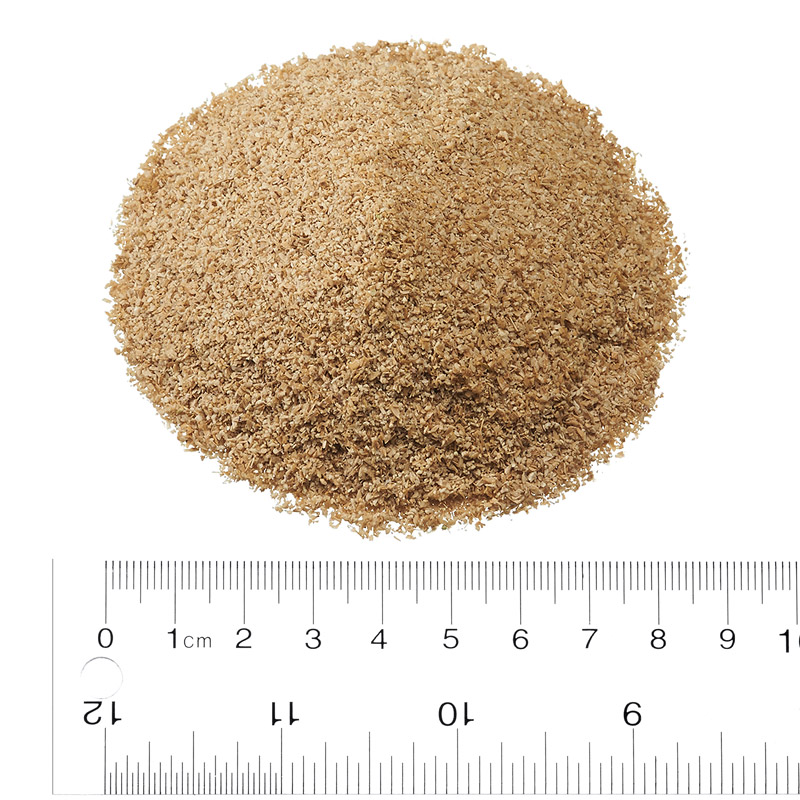
The chemical entity consists of a positively charged choline cation paired with a chloride anion ([HO-CH2-CH2-N+(CH3)3] Cl–). In its pure state, Choline Chloride presents as extremely hygroscopic white crystals. For animal feed applications, it is expertly processed onto inorganic silica or organic corncob carriers to generate stable, free-flowing light brown to off-white granular powders optimized for commercial premix integration.

Parameter Property Standard Technical Specification Verification Methodology
IUPAC Nomenclature 2-Hydroxy-N,N,N-trimethylethanaminium chloride Chemical Nomenclature Standard
CAS Registry Number 67-48-1 CAS Chemical Indexing
EINECS Number 200-655-4 European Chemical Inventory
Molecular Formula / Weight C5H14ClNO / 139.62 g/mol Stoichiometric Calculation
Physical State (Pure Salt) Deliquescent White Crystals / Highly Soluble Organoleptic / Gravimetric

2. Key Physiological & Metabolic Pathways in Animal Nutrition

Unlike traditional vitamins that act primarily as enzymatic catalysts in micro-quantities, Choline functions structurally and metabolically as a macronutrient essential for maintaining fundamental cellular and systemic biological processes. Young, rapidly growing production animals are incapable of synthesizing de novo choline at rates sufficient to meet their metabolic demand, making dietary supplementation imperative.

Phospholipid Synthesis & Cell Membrane Integrity

Choline is the direct biochemical precursor to phosphatidylcholine (lecithin) and sphingomyelin, structural phospholipids accounting for over 50% of total cell membrane lipids. Adequate choline levels ensure cellular membrane fluidity, permeability, and structural stability across rapidly dividing epithelial and internal tissue matrices.

Hepatic Lipid Mobilization & Fatty Liver Prevention

Without sufficient choline, Very Low-Density Lipoproteins (VLDL) cannot be synthesized efficiently by hepatocyte cells. This metabolic bottleneck leads to severe accumulation of triglycerides in hepatic tissue, triggering Fatty Liver Syndrome (FLS), reduced metabolic efficiency, and localized liver toxicity.

Neurotransmission & Brain Function Development

Choline undergoes acetylation catalyzed by choline acetyltransferase to yield acetylcholine—a fundamental neurotransmitter regulating central nervous system (CNS) function, autonomic nerve impulse transmission, muscle contraction, memory formation, and behavioral stress response.

Methyl Group Donation & Methionine Sparing

Oxidized choline forms betaine, which transfers labile methyl groups to homocysteine for the remethylation to methionine. Adequate choline supplementation exerts a pronounced methionine-sparing effect, lowering overall feed formulation costs by freeing methionine for protein synthesis.

ORGANIC CARRIER SPECIFICATION

3. Choline Chloride 60% Corncob Carrier Specification

Formulated via homogeneous spraying of aqueous liquid choline chloride onto meal-grade, non-GMO corncob carrier particles. This organic carrier offers high absorbency, uniform bulk density, and superior compatibility with traditional grain-based commercial animal feed matrices.

Technical Index Guaranteed Standard Standard Typical Test Result Testing Analytical Standard
Active Assay Content ≥ 60.0% Min 60.35% Reinecke Salt Method / HG/T 2941
Carrier Medium Degreased Corncob Meal Conforms Organoleptic Inspection
Physical Appearance Free Flowing, Light Brown Granule Conforms Visual Observation
Odor Profile Slight Amine Odor Conforms Olfactory Assessment
Loss on Drying (Moisture) ≤ 2.0% Max 1.15% Gravimetric 105°C Drying
Free Trimethylamine (TMA) ≤ 300 PPM Max 140 PPM Gas Chromatography / Titration
Apparent Density 500 – 650 kg/m³ 580 kg/m³ Volumetric Density Meter
Particle Sieve Fineness ≥ 95% Pass 20 Mesh Sieve 98.2% Pass Standard Mechanical Sieve

INORGANIC SILICA CARRIER SPECIFICATION

4. Choline Chloride 50% Silicon Carrier Specification

Engineered using synthetic precipitate silicon dioxide (silica) as an inorganic carrier vehicle. Silica carrier Choline Chloride exhibits superior thermal stability, ultra-fine particle distribution, enhanced resistance to enzymatic destruction, and non-hygroscopic behavior optimal for highly sensitive vitamin pre-mixes.

Inspection Item Guaranteed Chemical Standard Batch Analytical Result Compliance Status
Product Appearance Fine White Powder White Powder Conforms
Assay Content (Choline Chloride) ≥ 50.0% Min 50.05% Conforms
Carrier Vehicle Precipitated Silica (SiO2) Silica Matrix Conforms
Loss on Drying (Moisture) ≤ 4.0% Max 1.40% Conforms
Particle Size Distribution ≥ 90% Pass 800 μm Mesh 94.5% Pass Conforms
Residual Free Trimethylamine ≤ 300 PPM Max 175 PPM Conforms
Analytical Testing Method Reinecke Salt Volumetric Method GB/T 10824 Standard Verified

5. Poultry Nutrition Application & Performance Dynamics

Poultry species possess exceptionally high requirements for dietary choline due to their rapid metabolic rates, intense bone elongation speeds, and high rate of egg mass synthesis. Deficiencies in broilers or layers manifest rapidly in distinct anatomical disorders and severe economic performance losses.

PREVENTS PEROSIS & SKELETAL DEFORMITIES

Essential for proper cartilage matrix development and epiphyseal bone plate maintenance in growing chicks. Prevents perosis (slipped tendon disorder), tibiotarsal rotation, joint swelling, and severe leg weakness.

SUPPORTS EGG PRODUCTION & SHELL QUALITY

Critical for supporting high peak egg lay percentages and maintaining egg size in layers. Choline aids in yolk lecithin accumulation, improves albumen consistency, and reduces soft-shell/shell-less egg rates.

Poultry Category Growth Phase Choline Chloride (60%) Rec. Rate Target Physiological Effect
Broiler Starter Day 0 – 21 1,200 – 1,600 g/MT Feed Skeletal development, perosis prevention
Broiler Grower/Finisher Day 22 – Slaughter 800 – 1,200 g/MT Feed FCR optimization, hepatic lipid transport
Layer Pullets Week 0 – 18 600 – 1,000 g/MT Feed Organ development, frame uniformity
Laying Hens Production Cycle 500 – 800 g/MT Feed Egg size maintenance, FLS prevention
Breeder Hens Breeding Phase 1,000 – 1,500 g/MT Feed Hatchability, embryonic brain development

6. Swine Nutrition & Reproductive Performance Optimization

In modern hyper-prolific swine production systems, choline requirement peaks during gestation and lactation. Supplementation prevents spraddle-leg syndrome in newborn piglets, enhances total litter size born alive, and improves sow milk fat mobilization.

Swine Production Stage Pure Choline Requirement 60% Corncob Dose Rate Primary Biological Outcome
Gestating Sows 1,250 mg/kg Feed 1,500 – 2,000 g/MT Increased live litter size, reduces spraddle leg
Lactating Sows 1,000 mg/kg Feed 1,200 – 1,600 g/MT Sustained milk yield, sow body condition retention
Starter Piglets (Weaners) 600 mg/kg Feed 800 – 1,000 g/MT Gut lining maintenance, fast ADG response
Grow-Finish Hogs 400 mg/kg Feed 500 – 800 g/MT Lean muscle deposition, FCR reduction

7. Aquaculture & Marine Feed Formulation Protocols

In aquatic species (crustaceans and teleost fish), dietary lipids constitute the primary energy source. Choline chloride supplementation is mandatory to process dense lipid levels in aquafeed matrices, preventing hepatic lipidosis and high mortality rates in intensive aquaculture farming.

Aquatic Species Group Dietary Requirement (Pure Choline) Recommended Carrier Type Key Health / Physiological Marker
Penaeid Shrimp (Vannamei/Monodon) 2,000 – 3,000 mg/kg Silica 50% / Pure Water-Soluble Hepatopancreas integrity, ecdysis support
Carnivorous Fish (Salmon, Seabass) 1,500 – 2,500 mg/kg Silica 50% / Corncob 60% Prevents fatty liver, accelerates weight gain
Omnivorous Freshwater Fish (Tilapia, Carp) 800 – 1,500 mg/kg Corncob 60% Standard Enhances feed conversion ratio (FCR)

8. Ruminant Nutrition & Micro-Encapsulation Technology

In dairy cattle and beef ruminants, non-encapsulated choline chloride is rapidly degraded by rumen microbes (up to 98% degradation rate). To overcome this biological degradation, encapsulation technologies shield choline chloride through the rumen, ensuring bio-availability in the abomasum and small intestine.

Encapsulation Form Rumen Protection Rate Small Intestine Release Target Ruminant Impact
Fat-Coated Encapsulated (25%-50%) ≥ 80.0% Bypass ≥ 85.0% Release Transition dairy cows, ketosis prevention
Uncoated Standard Powder < 5.0% Bypass Minimal Delivery Not recommended for mature cattle feeds

9. Cost-Effective Methyl Donor Replacement Metrics

In commercial feed formulation, balancing methyl donor sources (Choline, Betaine, and DL-Methionine) is critical for least-cost feed formulation (LCF). Choline chloride provides an exceptionally economical methyl donor source compared to synthetic DL-methionine.

Methyl Donor Chemical Molecular Weight Methyl Equivalent Value Relative Replacement Index
Choline Chloride (100% Basis) 139.62 1.00 (Baseline) 1.00 kg Choline Pure
Choline Chloride (60% Powder) N/A (60% Active) 0.60 1.67 kg to replace 1.0 kg Pure
Betaine Anhydrous (96%) 117.15 1.19 0.84 kg replaces 1.0 kg Choline Pure
DL-Methionine (99%) 149.21 0.93 1.07 kg replaces 1.0 kg Choline Pure

10. Impurity Tolerances & Chemical Safety Thresholds

Strict control over synthesis by-products and heavy metals is critical. Elevated Trimethylamine (TMA) imparts a foul fishy odor to feed, reduces palatability, and causes egg taint (fishy odor in eggs) in genetically susceptible layer strains.

Contaminant / Impurity Maximum Permissible Limit Analytical Method Standard Safety Impact
Free Trimethylamine (TMA) ≤ 300 PPM (0.03%) Gas Chromatography FID Prevents off-odors and feed rejection
Heavy Metals (as Pb) ≤ 10 PPM AAS Spectrophotometry Prevents bioaccumulation toxicities
Arsenic (As) ≤ 2 PPM ICP-MS Method Regulatory EU/FDA Compliance
Dioxins & PCBs ≤ 0.75 pg WHO-TEQ/g HRGC/HRMS Analysis Feed Safety Directive Compliance
Aflatoxin B1 (Corncob Carrier) ≤ 20 PPB HPLC-FLD Analysis Mycotoxin safety guarantee

11. Industrial Manufacturing Process & Quality Engineering

Our state-of-the-art chemical synthesis facility employs continuous automated reaction systems operating under strict ISO 22000 and FAMI-QS certified quality management frameworks.

Stage Manufacturing Step Technical Operating Parameters In-Process QC Checkpoints
01 Chemical Synthesis Continuous reaction of EO, HCl, and TMA in aqueous phase Temperature, Pressure, Stoichiometric Ratio
02 Purification & Vacuum Stripping High-vacuum evaporation to eliminate free TMA residual TMA Content & pH Monitoring
03 Carrier Impregnation / Spraying Atomized liquid spraying onto fluid-bed corncob or silica Spray Uniformity, Absorption Rate
04 Drying & Fluidized Bed Cooling Low-temperature continuous drying to target moisture < 2% Loss on Drying Gravimetric Analysis
05 Sieving & Automated Packaging Vibratory mesh screening, automatic PE lining heat seal Particle size distribution, Bag seal integrity

12. Vitamin Stability & Premix Interaction Matrix

Choline Chloride is known to be hygroscopic and chemically aggressive toward fat-soluble vitamins (Vitamins A, D3, E, and K3) in concentrated vitamin premixes. Understanding these degradation dynamics allows feed nutritionists to optimize premix storage stability.

Vitamin Component Retention without Choline (3 Months) Retention WITH Choline (3 Months) Recommended Mitigation Strategy
Vitamin A (Acetate/Palmitate) 92% Retention 55% Retention Use coated Vitamin A / Separate Choline premix
Vitamin D3 (Cholecalciferol) 95% Retention 72% Retention Store in low humidity (<60% RH) environment
Vitamin K3 (MSBC/MNB) 88% Retention 38% Retention Formulate with Silica 50% or add separately
Thiamine (Vitamin B1) 94% Retention 68% Retention Utilize Thiamine Mononitrate over Hydrochloride

13. Packaging, Logistics & Containerization Parameters

To prevent moisture absorption during maritime transit across high-humidity climate zones, Choline Chloride Powder is packaged in multi-layer moisture barrier bags fitted with thick polyethylene inner liners.

Packaging Format Net Weight / Bag 20FT FCL Capacity (Unpalletized) 20FT FCL Capacity (Palletized)
Woven PP Bag with PE Liner 25.0 kg Net 20.0 MT (800 Bags) 18.0 MT (720 Bags / 20 Pallets)
Kraft Paper Multi-Wall Bag 25.0 kg Net 20.0 MT (800 Bags) 18.0 MT (720 Bags / 20 Pallets)
FIBC Jumbo Super Sack 500 kg / 1,000 kg Net 20.0 MT (20 Jumbo Bags) 20.0 MT (Palletized Jumbo)

14. Warehouse Handling & Long-Term Storage Protocol

Choline chloride powder possesses strong hygroscopic characteristics. Strict adherence to storage protocols guarantees product flowability and prevents lump formation over its 24-month shelf life.

Storage Parameter Optimal Environmental Condition Hazard / Non-Compliance Risk
Ambient Temperature Store below 25°C (Cool, dry warehouse) Thermal degradation, bag caking
Relative Humidity (RH) Keep RH under 60% Rapid moisture pickup, hard clumping
Pallet Stacking Limit Maximum 2 pallets high (or 10 bags vertical) Compaction caking at lower bag layers
Product Shelf Life 24 Months from Manufacture Date Re-test assay content post 24 months

15. Clinical Pathology & Deficiency Symptomatic Index

Recognizing biological symptoms of choline deficiency across livestock allows farm managers and veterinarians to rapidly implement corrective dietary supplementation.

Animal Species Primary Deficiency Pathology Secondary Clinical Manifestations
Poultry Broilers Perosis (Slipped Tendon) Hock enlargement, pinpoint petechial hemorrhages, severe leg bow
Laying Hens Fatty Liver Hemorrhagic Syndrome Pale yellow friable liver, sudden mortality, 15-30% lay drop
Sows & Piglets Congenital Myofibrillar Hypoplasia Spraddle-leg in newborn pigs, uncoordinated gait, reduced litter size
Dairy Cattle Hepatic Lipidosis & Subclinical Ketosis Depressed peak milk yield, elevated plasma NEFA, liver weight gain
Teleost Fish Intestinal Steatosis Pale, lipid-laden liver, reduced growth rate, high feed conversion ratio

16. Global Regulatory Certifications & Quality Compliance

Our Choline Chloride Powder complies with stringent global feed additive standards, enabling seamless registration and market entry across European, North American, Asian, and Latin American feed production jurisdictions.

Jurisdiction Region Regulatory Agency / Standard Additive Classification Code Certification Status
European Union EFSA / EU Regulation 1831/2003 Nutritional Additive 3a890 Approved / FAMI-QS Certified
United States US FDA / AAFCO Standard 21 CFR 582.5252 (GRAS) GRAS Affirmed
China MARA / National Standard GB/T 10824 Feed Grade Chemical Standard Compliant
Global Religious Standards Halal & Kosher Certification Board Dietary Compliance Standard Halal & Kosher Certified

17. Carrier Selection Guide: Corncob vs. Silica vs. Liquid 75%

Selecting the appropriate carrier type depends on factory processing capabilities, climate conditions, premix type, and target animal species.

Evaluation Feature Corncob Carrier 60% Silica Carrier 50% Liquid Solution 75%
Carrier Source Type Natural Plant Organic Fibers Synthetic Inorganic SiO2 Aqueous Water Medium
Hygroscopicity Level Moderate – High Low (Hydrophobic silica) N/A Liquid Phase
Premix Compatibility Standard Complete Feeds High-Concentration Vitamin Premixes Liquid Dosing Mills Only
Relative Cost Index Most Economical Moderate Premium Lowest Raw Cost / High Tank Freight

18. Technical FAQ & Formulation Engineering Inquiries

Q1: How does Choline Chloride compare to Betaine in sparing Methionine?

While both serve as methyl donors after choline is metabolized into betaine in the liver, choline performs essential non-replaceable structural roles in phospholipid synthesis (cell membranes) and acetylcholine production. Betaine cannot replace choline’s structural and neurotransmitter functions, although it can substitute for methyl group donation.

Q2: Why is Trimethylamine (TMA) content critical in feed grade choline chloride?

TMA is an unreacted synthesis residue. High TMA levels cause a harsh amine odor that reduces feed intake in young animals. In layer production, hens carrying the mutant FMO3 gene cannot metabolize TMA, resulting in severe fishy taint in laid eggs. Our product guarantees TMA ≤ 300 PPM to prevent these issues.

Q3: How can vitamin degradation be minimized when choline chloride is added to premixes?

Because choline chloride is hygroscopic, it creates micro-moisture films that accelerate oxidation of fat-soluble vitamins. To prevent degradation, nutritionists recommend using silica-based 50% choline chloride, utilizing gelatin/wax-coated micro-encapsulated vitamins, or adding choline chloride separately at the main mixer.

Request Bulk Technical Dossier & Quotation

Partner with a FAMI-QS and ISO 22000 certified global producer of Choline Chloride Powder (Corncob & Silica Grade). Reach out to our technical feed formulation team for custom particle sizing, specialized packaging, and bulk contract pricing.


Contact Technical Sales


Download COA Sample

© 2026 KDLFEED Additives Inc. All Rights Reserved. ISO 22000 | QS | GMP+ Certified Manufacturer.
 

Share
0

Related posts

January 16, 2025

Choline Chloride Supplementation in Poultry


Read more
May 9, 2019

75% choline chloride liquid


Read more

Choline Chloride

November 30, 2018

CAS 67-48-1 feed addictive Choline chloride


Read more
Corn Gluten Meal Protein 60% Animal Food

Choline chloride-Vitamin B chicken feed addictive

March 24, 2018

Choline chloride-Vitamin B chicken feed addictive


Read more

Comments are closed.

Language

EnglishالعربيةEspañolپارسیFrançaisBahasa Indonesia日本語한국어Bahasa MelayuNederlandsPortuguêsРусскийภาษาไทยTürkçe

PRODUCTS

  • Chicken Meal
  • fish feed | fish meal
  • Choline Chloride
  • Allicin Powder
  • Soybean Meal
  • DCP
  • Betaine Hcl 98%
  • MCP
  • Corn Gluten Meal
  • Feed yeast
  • April 11, 2024

    管理 commented on soybean meal for sale Animal Chickens Cattle Poultry Feed

  • April 11, 2024

    管理 commented on Folic Acid Vitamin B9 feed additives for poultry

  • 100% natural feed grade Garlic extract Allicin powder 25%
  • 60%/65%Corn Gluten Meal
  • 75% CHOLINE CHLORIDE LIQUID
  • 98% Choline Chloride 67-48-1
  • Allicin
  • Allicin 25% feed allicin
  • Allicin 25% garlic powder
  • Allicin Garlic Powder
  • Allicin Powder
  • Allicin powder for poultry/fish/chicken feed additives

Product Pic

  • Betaine 98% Feed Grade Additive
    July 20, 2026
  • Choline Chloride Powder Feed Grade
    July 20, 2026
  • Feed-Grade Allicin Additive: Technical Specifications, Antimicrobial Kinetics, and Strategic Application in Livestock, Poultry, and Aquaculture
    May 5, 2026
  • Choline Chloride in Agriculture: Field-Proven Strategies for Higher Yield & Stress Tolerance
    February 21, 2026

Our Products

  • Choline Chloride Powder
  • Allicin Powder 25%
  • Betaine HCL 98%
  • DCP 18%
  • MCP 22%
  • Chicken Meal powder
  • Fish feed , Fish Meal powder

Contact Us

  • Sales Miss LiuPing
  • Telephone: 0086-317-3028888
  • Mail: [email protected]
  • No. 6, Jialing Road ,Cangdong Economic Development Zone
  • Cangzhou City,Hebei Province ,China
  • map

We are a professional manufacturer and exporter of feed additives in china, main products include: feed additive including Choline Chloride, Allicin,Yeast Powder ,Batain HCL 98%,DCP,MCP, Corn gluten meal and related products, so that providing customers with more perfect solution. and have gotten GMP and SGS certifiate.sitemap

CANGZHOU BIOCON BIOTECHNOLOGY CO.,LTD