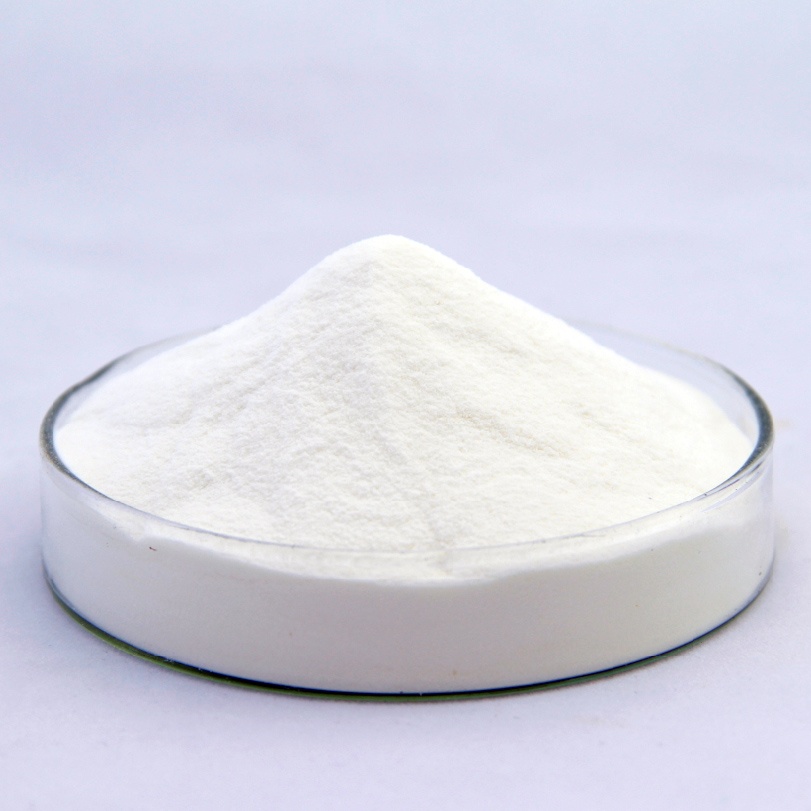

Betaine Feed Grade Additive

Betaine 98% Feed Grade Additive
July 20, 2026
1. Executive Summary & Biochemical Functionality
Betaine, chemically recognized as trimethylglycine (TMG), is an essential, highly stable zwitterionic quaternary ammonium compound. In modern intensive animal nutrition, Betaine 98% Feed Grade Additive operates as an indispensable functional nutrient serving two major physiological roles: acting as an ultra-efficient methyl group donor and functioning as an organic cellular osmoregulated protector.
Primary Commercial Benefits in Feed Formulations:
- Methionine and Choline Replacement: Provides labile methyl groups directly to the transmethylation cycle, substituting up to 20–30% of dietary DL-Methionine and Choline Chloride costs.
- Osmotic Pressure Stabilization: Protects intestinal mucosal cells and gut barrier integrity during osmotic shifts, heat stress, and coccidiosis challenges.
- Lipid Metabolism & Carcass Optimization: Stimulates fatty acid oxidation, decreases abdominal fat deposition, and enhances lean breast muscle output in broilers and swine.
- Feeding Attractant in Aquaculture: Triggers chemoreceptive responses in marine shrimp and fish species, boosting feed consumption and nutrient digestion.
2. Chemical Identification & Product Characteristics
| Property Parameter | Technical Value / Specification |
|---|---|
| Chemical Name | Trimethylglycine Hydrochloride / Betaine Hydrochloride |
| CAS Registry Number | 590-46-5 |
| EINECS / EC Number | 203-490-6 |
| Molecular Formula | (CH₃)₃NCH₂COO·HCl |
| Molecular Weight | 153.61 g/mol |
| Grade Designation | Feed Grade Additive (Purity ≥ 98.0%) |
| Brand & Manufacturer | KDLFEED Group |
3. Quality Control Standard & Certificate of Analysis (COA)
Official laboratory batch testing evaluation for Betaine 98% Feed Grade Additive.
| Testing Item | Guaranteed Standard Specification | Batch Analytical Result | Conformity Status |
|---|---|---|---|
| Betaine HCl Content (%) | ≥ 98.0 % | 98.82 % | PASSED |
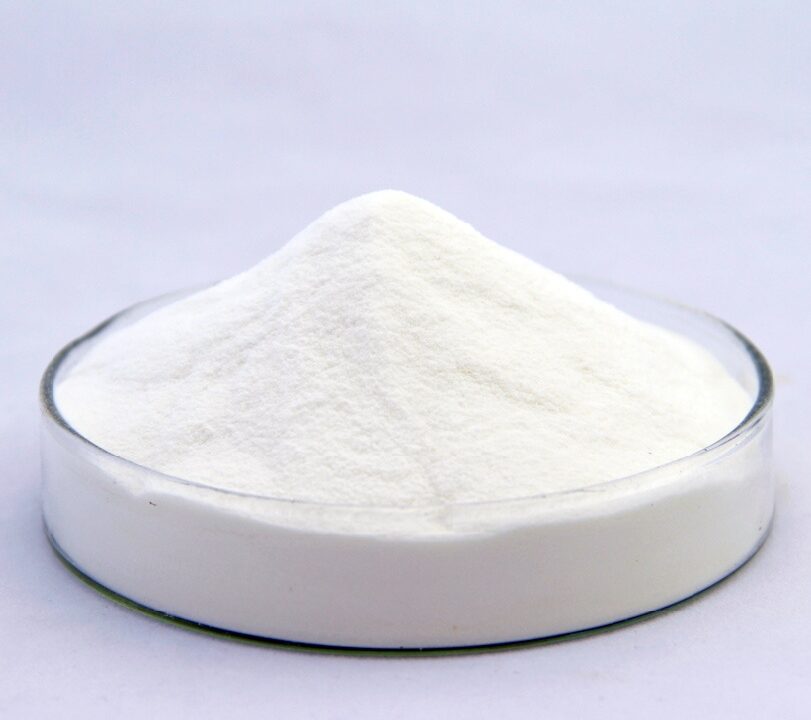
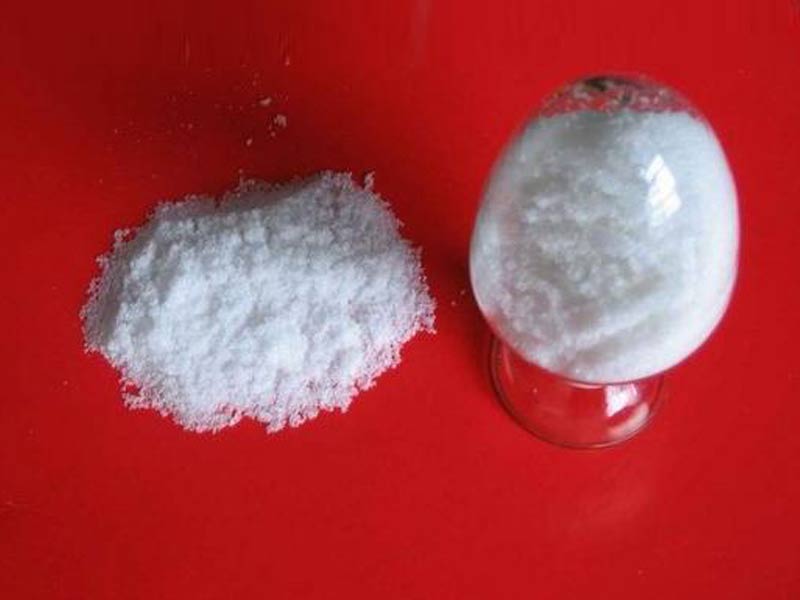
| Appearance | White Crystalline Powder | White Crystalline Powder | PASSED |
| Drying Loss (%) | ≤ 0.50 % | 0.28 % | PASSED |
| TMA Residue (%) | ≤ 0.03 % | 0.0105 % | PASSED |
| Heavy Metals (as Pb) (%) | ≤ 0.001 % (10 ppm) | < 0.001 % | PASSED |
| Ignition Residue (%) | ≤ 1.5 % | 0.41 % | PASSED |
| Arsenic (As) (%) | ≤ 0.0002 % (2 ppm) | < 0.0002 % | PASSED |
4. Biochemical Mechanism: Transmethylation & Osmoregulation
A. Efficient Methyl Donor
Methyl groups are fundamental for the synthesis of vital metabolic intermediates including creatine, carnitine, phosphatidylcholine, adrenaline, and DNA/RNA methylation. Betaine donates its active methyl group directly via the enzyme betaine-homocysteine S-methyltransferase (BHMT), converting toxic homocysteine back to methionine. Unlike choline (which requires a multi-step mitochondrial oxidation to become betaine), dietary betaine is immediately biologically active, conserving cellular energy ATP.
B. Organic Osmolyte & Cell Hydration
As an dipolar zwitterion, Betaine accumulates inside intestinal epithelial cells without disrupting enzyme function or protein folding. Under hypertonic stress (such as high ambient heat or diarrhea), betaine maintains intracellular water retention, prevents cell dehydration, reduces energy expenditure required for the Na+/K+ ATPase ionic pump, and stabilizes gut barrier tight junctions.
5. Application in Poultry Nutrition (Broilers & Layers)
In broiler and layer production, Betaine 98% serves as a critical nutritional tool to lower feed formulation costs, improve feed conversion ratio (FCR), and maximize breast meat yield.
- Coccidiosis Support: Synergizes with ionophore coccidiostats by protecting intestinal lining cells against osmotic damage caused by Eimeria infection.
- Layer Egg Production: Enhances liver lipid transport, preventing fatty liver hemorrhagic syndrome (FLHS) and maintaining peak egg laying rate.
6. Application in Swine Production & Meat Quality Optimization
Betaine supplementation in pig diets delivers measurable economic performance across all life stages, specifically in nursery piglets and finishing hogs:
| Production Stage | Physiological Objective | Observed Technical Impact |
|---|---|---|
| Weaned Piglets | Gut morphological maintenance | Increases villus height-to-crypt depth ratio, reducing post-weaning scours. |
| Grow-Finish Pigs | Carcass lean tissue growth | Reduces backfat depth by 10-18%, increases loin muscle area (LMA). |
| Lactating Sows | Negative energy balance mitigation | Reduces sow body weight loss, improves litter weaning weights and estrus restart. |
7. Aquaculture & Marine Feed Attractant Performance
Because crustaceans and teleost fish rely heavily on gustatory chemoreception for feed location, Betaine 98% acts as a powerful non-protein nitrogen feeding stimulant in aquafeed formulations.
Aquafeed Benefits Summary:
- Feeding Stimulation: Accelerates feed intake response in Penaeus vannamei (whiteleg shrimp), tilapia, salmon, and sea bass.
- Salinity Adaptation: Facilitates osmoregulation during water salinity transitions (freshwater to brackish transfer), reducing mortality.
- Leaching Reduction: Fast feed intake reduces pellet breakdown and nutrient leaching in aquaculture ponds.
8. Heat Stress Mitigation & Climate Resilience Strategy
High ambient temperatures induce severe heat stress in livestock, leading to hyperventilation, respiratory alkalosis, reduced feed intake, and elevated mortality.
| Heat Stress Indicator | Unsupplemented Control Group | Betaine 98% Supplemented Group |
|---|---|---|
| Intestinal Epithelial Permeability | High (Leaky Gut Syndrome) | Restored Barrier Function |
| Rectal / Body Core Temperature | Elevated (+0.4°C to +0.8°C) | Significantly Controlled |
| Heat-Induced Feed Intake Drop | -15% to -25% Depression | Maintained (+8% to +12% vs control) |
9. Technical Comparison: Betaine HCl vs. Betaine Anhydrous vs. Choline
| Evaluation Parameter | Betaine HCl 98% | Betaine Anhydrous 96% | Choline Chloride 60% |
|---|---|---|---|
| Active Betaine Equivalent | ~75.0% – 76.0% | ~96.0% | 0% (Requires enzymatic oxidation) |
| Hygroscopicity Level | Low / Moderate (Easy to store) | Extremely High | High |
| Vitamin Destruction in Premix | Very Low | Very Low | High (Destroys Vit A, K3, B) |
| Cost Effectiveness Index | Optimal / Highest ROI | Higher Unit Cost | Low Unit Cost / Low Bio-efficacy |
10. Recommended Dosage & Formulation Inclusion Rates
| Animal Species | Recommended Inclusion Rate (g / Ton Complete Feed) | Primary Target Goal |
|---|---|---|
| Broiler Chickens | 500 g – 1,500 g / Ton | Methionine substitution, FCR improvement, heat stress |
| Laying Hens | 300 g – 1,000 g / Ton | FLHS prevention, egg production longevity |
| Piglets & Swine | 1,000 g – 2,000 g / Ton | Weaning stress, lean muscle percentage, backfat reduction |
| Shrimp & Crustaceans | 1,500 g – 3,000 g / Ton | Feeding attractant, salinity adaptation, molting support |
| Freshwater / Marine Fish | 1,000 g – 2,500 g / Ton | Feed intake stimulation, liver lipid regulation |
11. Premix Compatibility & Vitamin Protection
Traditional Choline Chloride additives are highly hygroscopic and corrosive in vitamin premixes, causing rapid oxidation and breakdown of fat-soluble vitamins (Vitamin A, D3, E, and K3).
Key Premix Advantage:
Replacing Choline Chloride with Betaine 98% Feed Grade Additive extends vitamin shelf-life in concentrated premixes by reducing moisture absorption and chemical reactivity, keeping nutritional density intact throughout storage.
12. Quality Assurance & Impurity Monitoring
KDLFEED applies rigorous HPLC chromatography and Atomic Absorption Spectrometry (AAS) testing to every batch of Betaine 98% to ensure strict adherence to international animal feed safety standards:
Strictly controls Trimethylamine (TMA) residue to avoid foul odors and maintain feed palatability.
Guarantees minimal trace toxicity to prevent bioaccumulation in animal organ tissue.
13. Industrial Packaging & Logistics Specifications
| Logistics Parameter | Commercial Packaging Standard |
|---|---|
| Net Weight / Bag | Net 25.0 kg per bag |
| Outer Bag Material | Heavy-duty Polywoven plastic bag |
| Inner Lining Material | Double-layer Polyethylene (PE) inner liner |
| Container Loading (Loose / Non-Palletized) | 20 Metric Tons (20MT) per 20′ FCL |
| Container Loading (With Pallets) | 18 Metric Tons (18MT) per 20′ FCL |
| Delivery Lead Time | 1 to 2 weeks post order confirmation |
14. Product Storage Guidelines & Handling Requirements
To preserve the free-flowing crystalline state and prevent caking or moisture absorption, strictly follow these warehouse storage rules:
- Stockpile in a cool, dry, well-ventilated location away from direct sunlight, rain, and moisture.
- Handle bags with care during forklift transshipment to prevent puncture or bag damage.
- Store isolated from toxic, hazardous, or pest control chemicals.
- Shelf Life: 24 months (2 years) from manufacturing date when maintained in original sealed packaging.
15. Frequently Asked Technical Questions (FAQ)
Q1: What is anhydrous betaine hydrochloride and how does it function?
Anhydrous betaine hydrochloride is a highly pure feed additive widely incorporated into poultry, swine, and aquaculture diets. As a key methyl donor (trimethylglycine), betaine plays an essential role in animal growth, muscle development, and metabolic health. Supplementation promotes digestion, enhances nutrient absorption efficiency, reduces metabolic stress during high heat, and improves overall carcass yield and antioxidant capacity.
Q2: What are the main commercial uses for betaine hydrochloride in animal feed?
Betaine hydrochloride serves multiple roles: First, it acts as an osmoregulator to preserve cell hydration and intestinal barrier integrity during environmental stress. Second, it boosts digestive enzyme activity to improve feed conversion ratios (FCR). Third, it promotes protein synthesis and lean muscle deposition while decreasing abdominal fat. Fourth, it acts as a feed attractant in aquatic diets and helps increase overall energy utilization efficiency.
Q3: Can Betaine 98% replace DL-Methionine in broiler diets?
Yes. Betaine can partialy replace dietary DL-Methionine (typically up to 20–25% of synthetic methionine supplementation) required for methyl donor functions. However, betaine cannot replace methionine used directly for polypeptide chain protein synthesis.
Source Betaine 98% Feed Grade Additive Wholesale Direct
KDLFEED provides certified batch testing (COA), free samples (≤500g), flexible pallet loading, and global shipping within 1-2 weeks.