
Choline Chloride Powder Feed Grade

Feed-Grade Allicin Additive: Technical Specifications, Antimicrobial Kinetics, and Strategic Application in Livestock, Poultry, and Aquaculture
May 5, 2026
Betaine 98% Feed Grade Additive
July 20, 2026
Choline Chloride Powder Feed Grade
Global Specification Standard for Animal Growth, Hepatic Lipid Mobilization, Neurodevelopment, and High-Yield Metabolic Efficiency across Livestock, Poultry, Swine, and Aquaculture Feed Formulations.
DATA INDEX HIGHLIGHTS
Key Technical Metrics & Index Parameters
1. Molecular Architecture & Chemical Fundamentals
Choline Chloride (2-Hydroxy-N,N,N-trimethylethanaminium chloride) is a quaternary ammonium salt synthesized through the reaction of ethylene oxide, hydrochloric acid, and trimethylamine. As a core constituent of the water-soluble B-complex vitamin spectrum (historically categorized as Vitamin B4), choline plays an indispensable bio-chemical role in maintaining structural membrane integrity, supporting cellular signaling pathways, accelerating hepatic lipid transport, and functioning as a metabolic source of labile methyl groups.
Chemical Identity & Structural Formula
The chemical entity consists of a positively charged choline cation paired with a chloride anion ([HO-CH2-CH2-N+(CH3)3] Cl–). In its pure state, Choline Chloride presents as extremely hygroscopic white crystals. For animal feed applications, it is expertly processed onto inorganic silica or organic corncob carriers to generate stable, free-flowing light brown to off-white granular powders optimized for commercial premix integration.
2. Key Physiological & Metabolic Pathways in Animal Nutrition
Unlike traditional vitamins that act primarily as enzymatic catalysts in micro-quantities, Choline functions structurally and metabolically as a macronutrient essential for maintaining fundamental cellular and systemic biological processes. Young, rapidly growing production animals are incapable of synthesizing de novo choline at rates sufficient to meet their metabolic demand, making dietary supplementation imperative.
Phospholipid Synthesis & Cell Membrane Integrity
Choline is the direct biochemical precursor to phosphatidylcholine (lecithin) and sphingomyelin, structural phospholipids accounting for over 50% of total cell membrane lipids. Adequate choline levels ensure cellular membrane fluidity, permeability, and structural stability across rapidly dividing epithelial and internal tissue matrices.
Hepatic Lipid Mobilization & Fatty Liver Prevention
Without sufficient choline, Very Low-Density Lipoproteins (VLDL) cannot be synthesized efficiently by hepatocyte cells. This metabolic bottleneck leads to severe accumulation of triglycerides in hepatic tissue, triggering Fatty Liver Syndrome (FLS), reduced metabolic efficiency, and localized liver toxicity.
Neurotransmission & Brain Function Development
Choline undergoes acetylation catalyzed by choline acetyltransferase to yield acetylcholine—a fundamental neurotransmitter regulating central nervous system (CNS) function, autonomic nerve impulse transmission, muscle contraction, memory formation, and behavioral stress response.
Methyl Group Donation & Methionine Sparing
Oxidized choline forms betaine, which transfers labile methyl groups to homocysteine for the remethylation to methionine. Adequate choline supplementation exerts a pronounced methionine-sparing effect, lowering overall feed formulation costs by freeing methionine for protein synthesis.
3. Choline Chloride 60% Corncob Carrier Specification
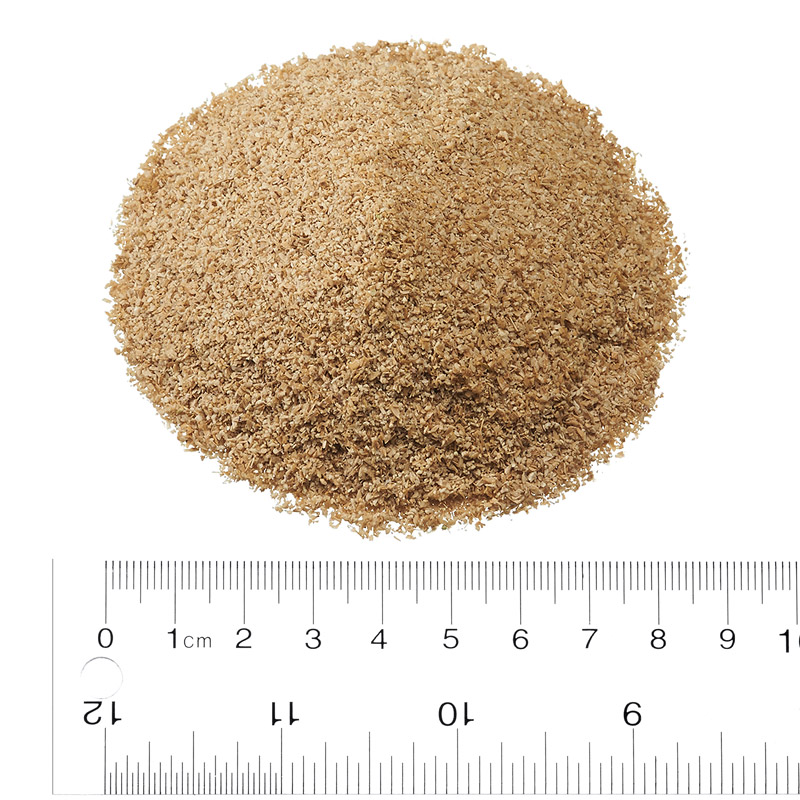
Formulated via homogeneous spraying of aqueous liquid choline chloride onto meal-grade, non-GMO corncob carrier particles. This organic carrier offers high absorbency, uniform bulk density, and superior compatibility with traditional grain-based commercial animal feed matrices.
4. Choline Chloride 50% Silicon Carrier Specification
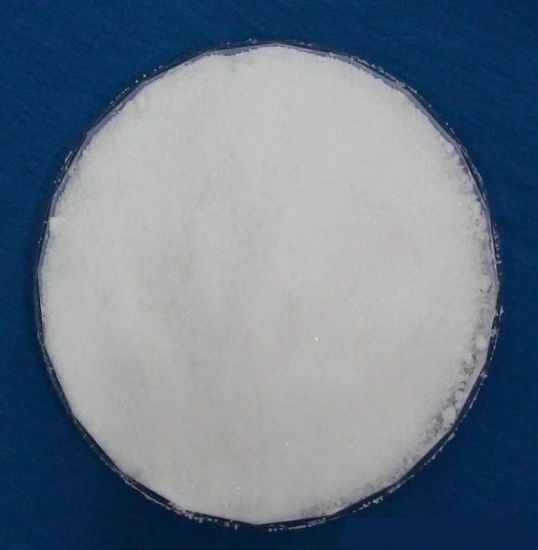
Engineered using synthetic precipitate silicon dioxide (silica) as an inorganic carrier vehicle. Silica carrier Choline Chloride exhibits superior thermal stability, ultra-fine particle distribution, enhanced resistance to enzymatic destruction, and non-hygroscopic behavior optimal for highly sensitive vitamin pre-mixes.
5. Poultry Nutrition Application & Performance Dynamics
Poultry species possess exceptionally high requirements for dietary choline due to their rapid metabolic rates, intense bone elongation speeds, and high rate of egg mass synthesis. Deficiencies in broilers or layers manifest rapidly in distinct anatomical disorders and severe economic performance losses.
PREVENTS PEROSIS & SKELETAL DEFORMITIES
Essential for proper cartilage matrix development and epiphyseal bone plate maintenance in growing chicks. Prevents perosis (slipped tendon disorder), tibiotarsal rotation, joint swelling, and severe leg weakness.
SUPPORTS EGG PRODUCTION & SHELL QUALITY
Critical for supporting high peak egg lay percentages and maintaining egg size in layers. Choline aids in yolk lecithin accumulation, improves albumen consistency, and reduces soft-shell/shell-less egg rates.
6. Swine Nutrition & Reproductive Performance Optimization
In modern hyper-prolific swine production systems, choline requirement peaks during gestation and lactation. Supplementation prevents spraddle-leg syndrome in newborn piglets, enhances total litter size born alive, and improves sow milk fat mobilization.
7. Aquaculture & Marine Feed Formulation Protocols
In aquatic species (crustaceans and teleost fish), dietary lipids constitute the primary energy source. Choline chloride supplementation is mandatory to process dense lipid levels in aquafeed matrices, preventing hepatic lipidosis and high mortality rates in intensive aquaculture farming.
8. Ruminant Nutrition & Micro-Encapsulation Technology
In dairy cattle and beef ruminants, non-encapsulated choline chloride is rapidly degraded by rumen microbes (up to 98% degradation rate). To overcome this biological degradation, encapsulation technologies shield choline chloride through the rumen, ensuring bio-availability in the abomasum and small intestine.
9. Cost-Effective Methyl Donor Replacement Metrics
In commercial feed formulation, balancing methyl donor sources (Choline, Betaine, and DL-Methionine) is critical for least-cost feed formulation (LCF). Choline chloride provides an exceptionally economical methyl donor source compared to synthetic DL-methionine.
10. Impurity Tolerances & Chemical Safety Thresholds
Strict control over synthesis by-products and heavy metals is critical. Elevated Trimethylamine (TMA) imparts a foul fishy odor to feed, reduces palatability, and causes egg taint (fishy odor in eggs) in genetically susceptible layer strains.
11. Industrial Manufacturing Process & Quality Engineering
Our state-of-the-art chemical synthesis facility employs continuous automated reaction systems operating under strict ISO 22000 and FAMI-QS certified quality management frameworks.
12. Vitamin Stability & Premix Interaction Matrix
Choline Chloride is known to be hygroscopic and chemically aggressive toward fat-soluble vitamins (Vitamins A, D3, E, and K3) in concentrated vitamin premixes. Understanding these degradation dynamics allows feed nutritionists to optimize premix storage stability.
13. Packaging, Logistics & Containerization Parameters
To prevent moisture absorption during maritime transit across high-humidity climate zones, Choline Chloride Powder is packaged in multi-layer moisture barrier bags fitted with thick polyethylene inner liners.
14. Warehouse Handling & Long-Term Storage Protocol
Choline chloride powder possesses strong hygroscopic characteristics. Strict adherence to storage protocols guarantees product flowability and prevents lump formation over its 24-month shelf life.
15. Clinical Pathology & Deficiency Symptomatic Index
Recognizing biological symptoms of choline deficiency across livestock allows farm managers and veterinarians to rapidly implement corrective dietary supplementation.
16. Global Regulatory Certifications & Quality Compliance
Our Choline Chloride Powder complies with stringent global feed additive standards, enabling seamless registration and market entry across European, North American, Asian, and Latin American feed production jurisdictions.
17. Carrier Selection Guide: Corncob vs. Silica vs. Liquid 75%
Selecting the appropriate carrier type depends on factory processing capabilities, climate conditions, premix type, and target animal species.
18. Technical FAQ & Formulation Engineering Inquiries
Q1: How does Choline Chloride compare to Betaine in sparing Methionine?
While both serve as methyl donors after choline is metabolized into betaine in the liver, choline performs essential non-replaceable structural roles in phospholipid synthesis (cell membranes) and acetylcholine production. Betaine cannot replace choline’s structural and neurotransmitter functions, although it can substitute for methyl group donation.
Q2: Why is Trimethylamine (TMA) content critical in feed grade choline chloride?
TMA is an unreacted synthesis residue. High TMA levels cause a harsh amine odor that reduces feed intake in young animals. In layer production, hens carrying the mutant FMO3 gene cannot metabolize TMA, resulting in severe fishy taint in laid eggs. Our product guarantees TMA ≤ 300 PPM to prevent these issues.
Q3: How can vitamin degradation be minimized when choline chloride is added to premixes?
Because choline chloride is hygroscopic, it creates micro-moisture films that accelerate oxidation of fat-soluble vitamins. To prevent degradation, nutritionists recommend using silica-based 50% choline chloride, utilizing gelatin/wax-coated micro-encapsulated vitamins, or adding choline chloride separately at the main mixer.
Request Bulk Technical Dossier & Quotation
Partner with a FAMI-QS and ISO 22000 certified global producer of Choline Chloride Powder (Corncob & Silica Grade). Reach out to our technical feed formulation team for custom particle sizing, specialized packaging, and bulk contract pricing.
© 2026 KDLFEED Additives Inc. All Rights Reserved. ISO 22000 | QS | GMP+ Certified Manufacturer.