
Choline Chloride Feed Additive Market Overview

Betaine Feed Grade Additive
July 30, 2026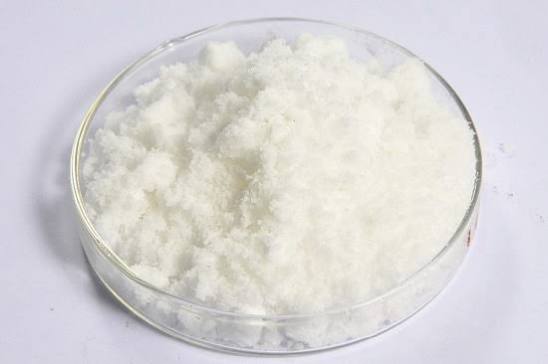
I. Product Definition and Industry Chain Overview
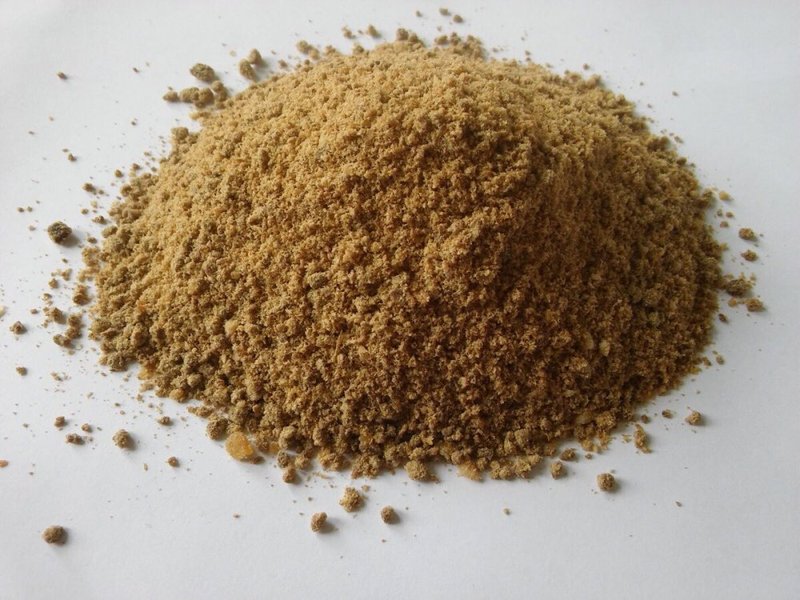
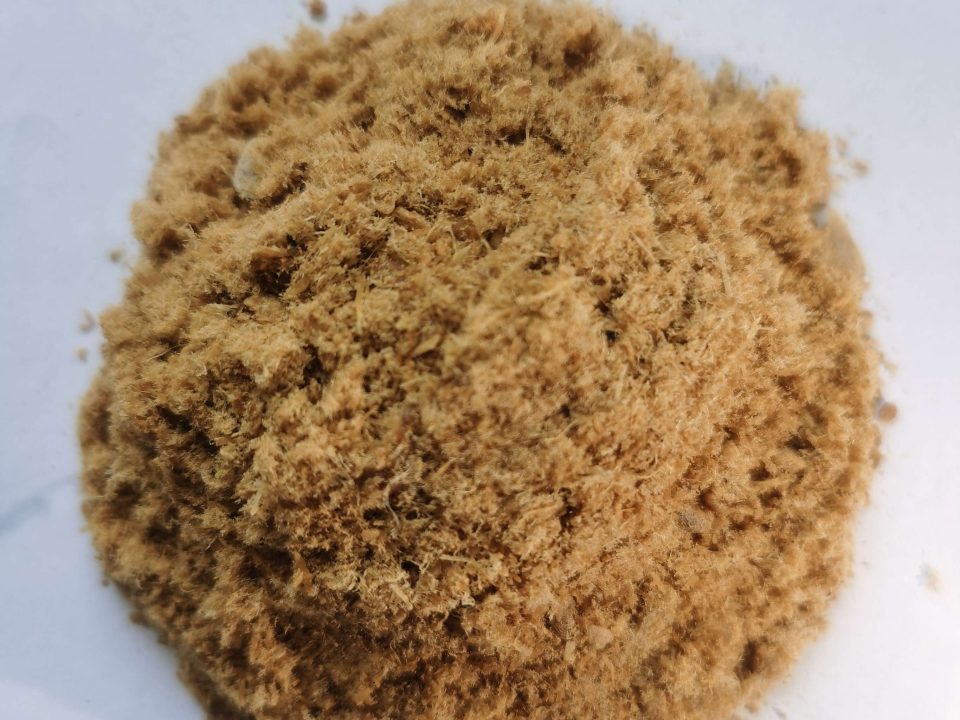
Choline chloride (chemical formula: C5H14NClO) is a water-soluble quaternary ammonium salt. In animals, it is classified as a B-complex vitamin (vitamin-like substance) and is an essential nutrient for cell membrane structure, nerve signal transmission, and fat metabolism. Upstream, its production uses trimethylamine, ethylene oxide, and hydrochloric acid as primary raw materials, with price fluctuations in trimethylamine and ethylene oxide directly affecting production costs. Downstream, its applications span feed additives, plant growth regulators, food nutritional fortifiers, and oil extraction, among other fields. Common commercial forms include liquid (purity of 70%, 75%, etc.) and solid powder (purity of 50%, 60%, 98%, etc.).
II. Market Size and Competitive Landscape
Choline Chloride
1. Steady Growth in the Global Market
The global choline chloride market maintains steady growth. According to surveys by multiple institutions, the global choline chloride market size in 2025 is approximately USD 617 million to USD 642 million, and is expected to grow to around USD 810 million by 2032, with a CAGR of approximately 3.3% to 4.1%. It is worth noting that data varies slightly among institutions due to differences in statistical scope (such as whether powder and liquid forms are included). For example, forecasts for the choline chloride powder sub-segment show that its market size could reach USD 1.79 billion by 2034, with a CAGR of 4.61%.
2. Clear Competitive Tiers Globally
Major global market participants include multinational chemical giants and leading domestic companies. The first tier is represented by Balchem, Eastman, BASF, and others, holding relatively high market shares; the second tier includes Jubilant Ingrevia, Algry Química, and others. Chinese companies occupy an important position in global supply, with companies such as KDC, BIOCON, and Enbei Group having become key links in the global supply chain.
III. In-Depth Analysis of Downstream Application Markets
Choline Chloride
1. Core Segment: Feed Additives
The feed industry is the largest consumer market for choline chloride, with widespread use in livestock, poultry, aquaculture, and pet feed. Because choline is irreplaceable in promoting animal growth and improving fat metabolism (methionine and betaine cannot fully replace its functions), demand for feed-grade choline chloride remains rigid as poultry egg and meat consumption grows in the Asia-Pacific region and aquaculture expands.
2. Emerging Growth Point: Plant Growth Regulators
In China, choline chloride is registered as a plant growth regulator in the “other” category (registered names include sweet potato tuber expansion agent, etc.). As of September 2024, there were 43 validly registered choline chloride formulation products in China, mainly applied to crops such as potatoes, peanuts, ginger, and sweet potatoes, with effects including activating photosynthesis and increasing crop yields. In recent years, the number of registrations for mixed formulations (such as choline chloride·naphthaleneacetic acid) has grown rapidly, demonstrating the enormous potential of this sub-segment.
3. Regulations and Standardization
Between 2025 and 2026, the state successively implemented or issued several key standards, marking the industry’s entry into a new stage of standardized development:
– GB/T 17481-2025 “Determination of Choline Chloride in Additive Premixed Feed” (implemented March 2026): Standardizes ion chromatography and Reinecke salt spectrophotometric detection methods.
– GB 7300.206-2025 “Feed Additives Part 2: Vitamins and Vitamin-like Substances Choline Chloride” (implemented January 2027): Will fully replace the old mandatory national standard GB 34462-2017, imposing stricter requirements on raw materials, carriers (such as silica and plant-derived carriers), and technical indicators (such as pH value, ethylene glycol, total free amines, etc., as shown in Table 1).
IV. Challenges and Opportunities Facing the Industry
Choline Chloride
Challenges:
1. Raw material price fluctuations: Prices of trimethylamine and ethylene oxide fluctuate significantly, putting pressure on cost control.
2. International trade friction: Anti-dumping policies in various countries and U.S. tariff adjustments create market access pressure for export-oriented companies, forcing them to pursue global production capacity .
3. Homogeneous competition: Industry profitability is declining (gross margin approximately 15%-25%), with intense competition in low-end products.
Opportunities:
1. Pet economy and aquaculture demand: The rise of the pet market and the expansion of aquaculture provide incremental space for choline chloride.
2. Expansion of the plant regulator market: Domestic registration and development potential for growth regulation of crops such as soybeans, corn, and fruits is enormous.
3. Industry chain going global: Chinese companies need to respond to tariff barriers through establishing regional production networks and technology localization strategies, and seize shares in emerging markets (Southeast Asia, the Middle East, etc.).
V. Summary and Outlook
In summary, the choline chloride industry is currently in a stage where “stock competition” and “incremental development” coexist. In the feed sector, global population growth and rising protein demand form its fundamental base; in the agricultural sector, deeper development of plant growth regulator functions is becoming a new profit growth point. Future industry competition will no longer rely solely on capacity expansion, but will shift toward comprehensive competition in technological innovation (high value-added products), compliant operations (aligning with new national standards), and global service capabilities. With the implementation of new national standards such as GB 7300.206-2025, industry concentration is expected to further increase, and leading enterprises will welcome structural growth opportunities.