
Application of Choline Chloride Feed Additive in Poultry and Livestock Breeding

Safety Mechanisms and Toxicological Assessment of Feed Additives in Intensive Husbandry: A Study on Bioavailability and Residue Depletion
January 13, 2026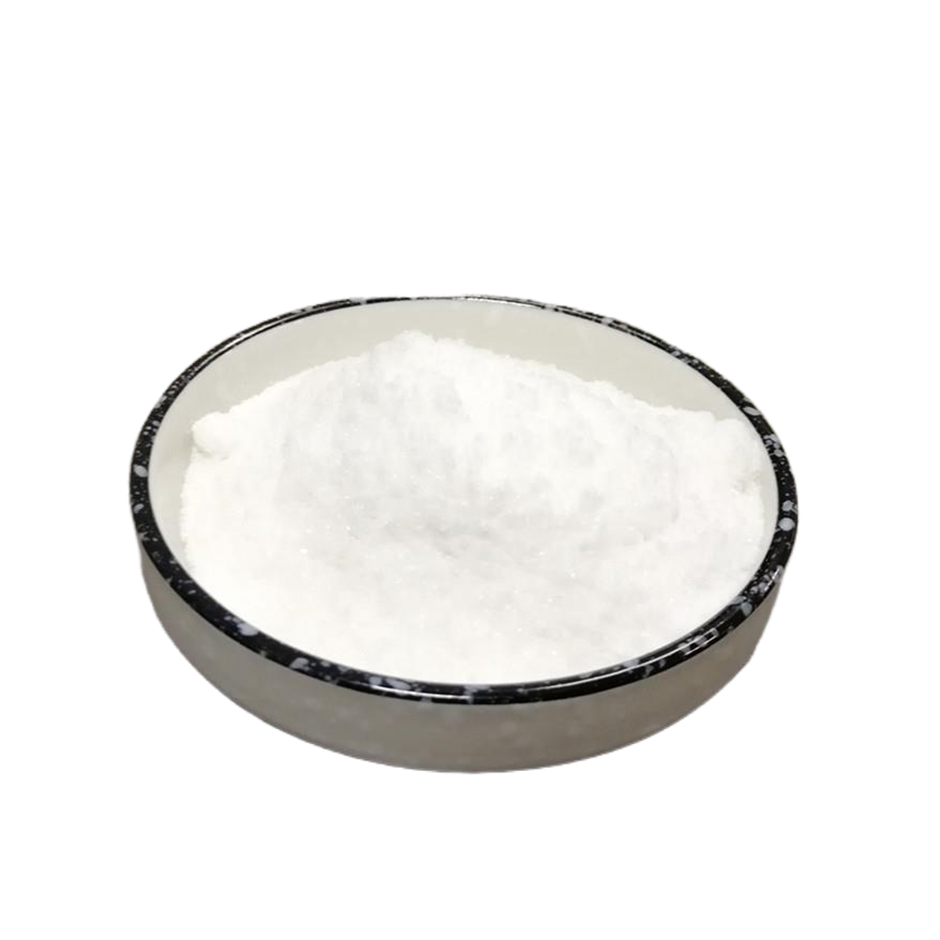
The Application of Choline Chloride Feed Additive in Poultry and Livestock Breeding
Abstract: Choline chloride, as an essential nutrient and important feed additive in animal production, plays a crucial role in regulating animal growth and development, improving feed utilization efficiency, and enhancing immune function. This paper systematically reviews the basic properties and physiological functions of choline chloride, focuses on its application effects in poultry (broilers, layers, ducks) and livestock (pigs, cattle, sheep) breeding, analyzes the factors influencing its application effect, and discusses the safety of choline chloride and its development prospects in animal husbandry. The research shows that choline chloride can significantly promote the growth performance of poultry and livestock, improve the quality of products (meat, eggs, milk), and reduce the incidence of nutritional diseases such as fatty liver. However, its application effect is affected by factors such as animal species, growth stage, dosage, and feed composition. Rational use of choline chloride in accordance with relevant standards can ensure the safety of animal products and promote the sustainable development of the animal husbandry industry. This review provides a theoretical basis and practical reference for the scientific application of choline chloride in poultry and livestock breeding.
Keywords: Choline chloride; Feed additive; Poultry breeding; Livestock breeding; Growth performance; Application effect
1. Introduction
With the rapid development of intensive and large-scale animal husbandry, the demand for high-efficiency, safe and green feed additives is increasingly urgent. Feed additives play an irreplaceable role in improving the nutritional value of feed, promoting animal growth, enhancing disease resistance, and improving the quality of animal products. Choline chloride, as a water-soluble vitamin-like substance, is an essential nutrient for animals. It cannot be synthesized in sufficient quantities by the animal body itself and must be supplemented through feed. It is widely used in poultry and livestock breeding due to its significant effects on promoting growth, improving feed conversion rate, and preventing nutritional deficiencies.
Choline chloride is involved in a variety of important physiological processes in animals, such as fat metabolism, nerve function regulation, and methylation reactions. Deficiency of choline chloride in animals can lead to a series of problems, such as slow growth, decreased feed utilization rate, fatty liver, neurological disorders, and reduced reproductive performance. Therefore, the rational addition of choline chloride to animal feed has become an important measure to ensure the healthy development of poultry and livestock breeding.
In recent years, many studies have been carried out on the application of choline chloride in animal breeding, and a large number of valuable results have been achieved. However, there are still differences in the application effects of choline chloride in different animal species and growth stages, and there are also certain controversies about the optimal dosage and safety. This paper comprehensively sorts out the relevant research results at home and abroad, expounds the physiological functions of choline chloride, focuses on its application effects in different poultry and livestock breeding, analyzes the influencing factors and safety issues, and looks forward to its development prospects, in order to provide a more comprehensive and in-depth theoretical basis for the scientific application of choline chloride in the animal husbandry industry.
2. Basic Properties and Physiological Functions of Choline Chloride
2.1 Basic Properties
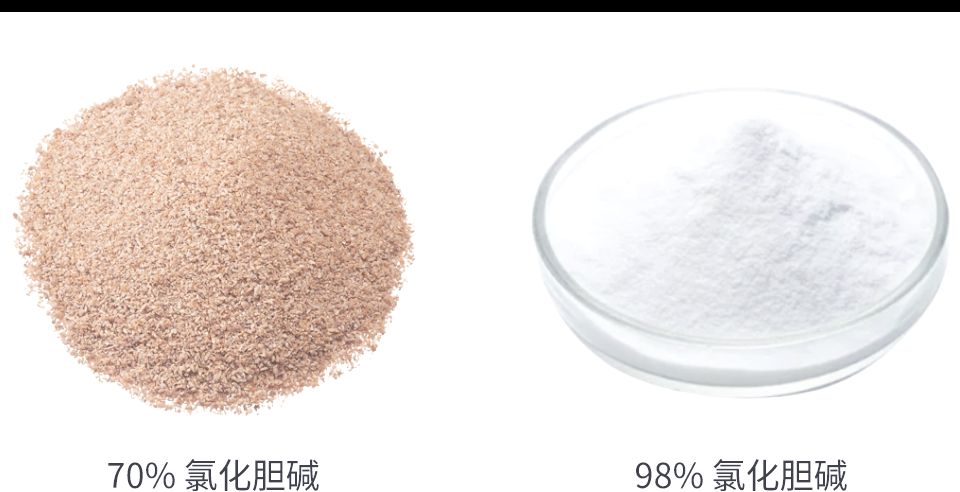
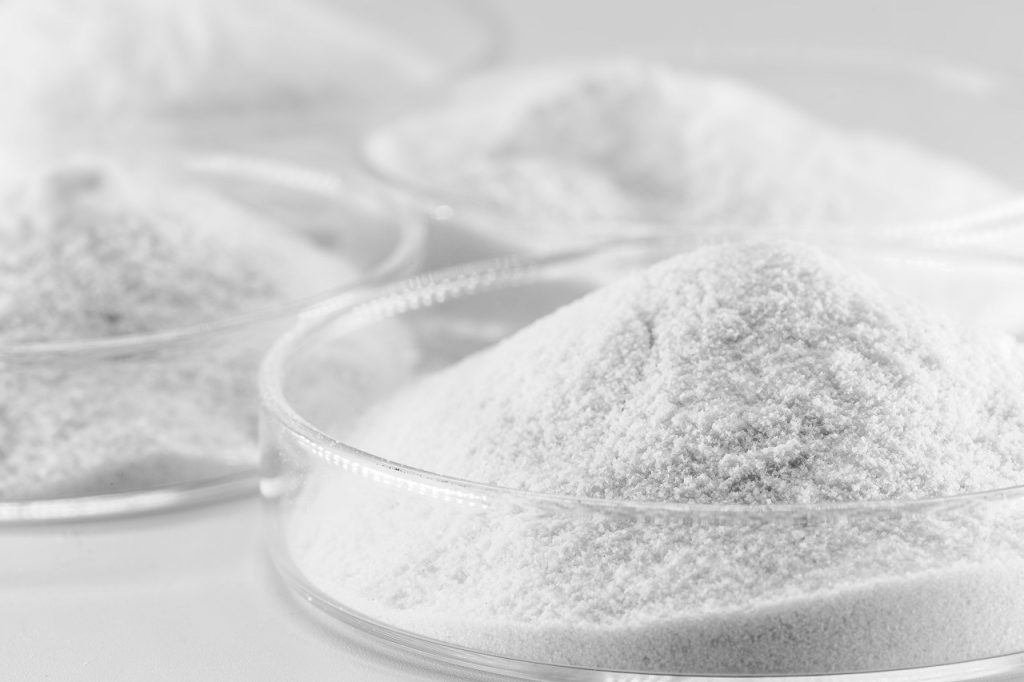
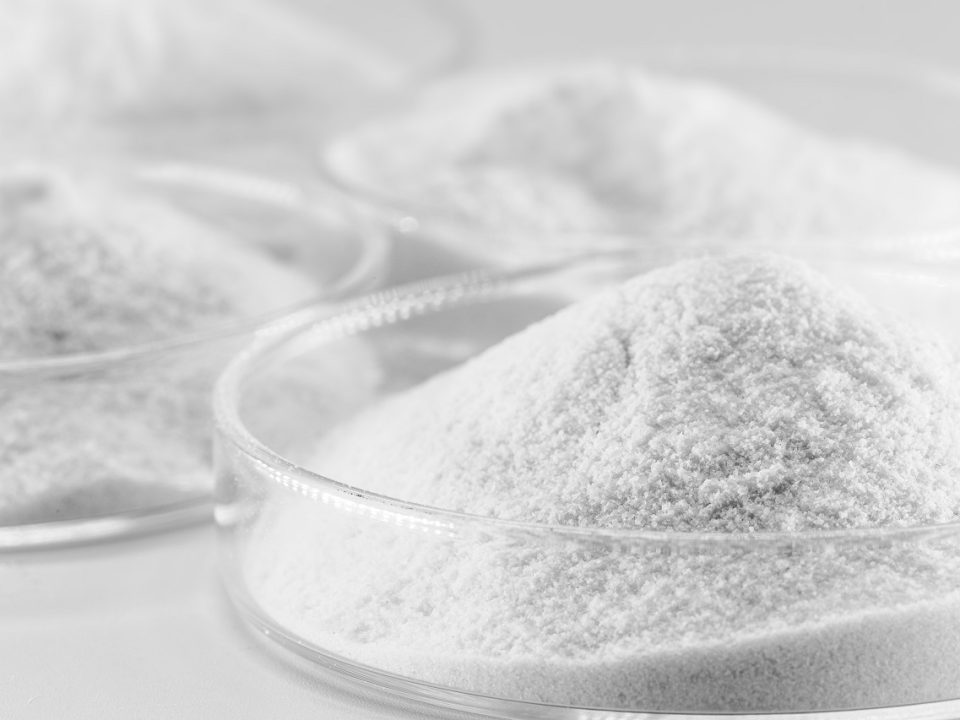
Choline chloride (chemical formula: C5H14ClNO) is a quaternary ammonium salt, which is usually a colorless or pale yellow viscous liquid, or white crystalline powder. It has strong hygroscopicity, is easily soluble in water, methanol, ethanol and other polar solvents, and is insoluble in ether, benzene and other non-polar solvents. The melting point of choline chloride is 302-305℃, and it is stable under normal temperature and pressure, but it will decompose when heated to a high temperature above 180℃. In feed processing, choline chloride has a certain corrosive effect on metals, so special attention should be paid to the selection of processing equipment and packaging materials.
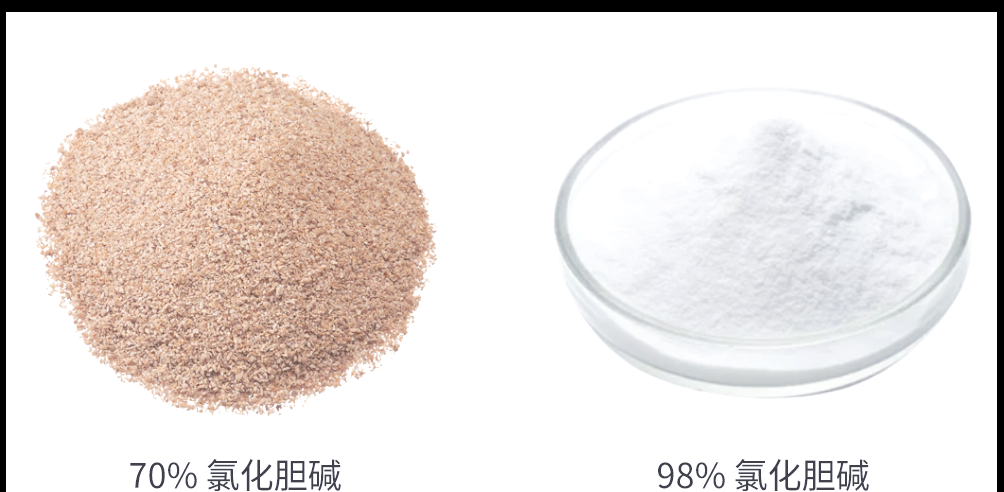
Choline chloride is a derivative of choline. Choline itself is a weak base, and its hydrochloride (choline chloride) is more stable and easier to be absorbed and utilized by animals, so it is the most commonly used form of choline in feed additives. At present, the choline chloride feed additives on the market are mainly in two forms: liquid (with a content of 70%) and solid (with a content of 50% or 60%, usually adsorbed on carriers such as corn cob meal or silica gel).
2.2 Physiological Functions
2.2.1 Promoting Fat Metabolism
One of the most important physiological functions of choline chloride is to promote fat metabolism and prevent fatty liver. In the process of fat metabolism, choline chloride can act as a precursor of phosphatidylcholine (lecithin). Phosphatidylcholine is an important component of cell membranes and is also a key substance for the formation of very low density lipoprotein (VLDL) in the liver. VLDL can transport the triglycerides synthesized in the liver to other tissues for oxidation and utilization. If there is a lack of choline chloride, the synthesis of phosphatidylcholine will be insufficient, resulting in the inability of triglycerides in the liver to be effectively transported out, leading to the accumulation of fat in liver cells, and finally the occurrence of fatty liver.
For example, in poultry such as layers and broilers, choline deficiency can easily lead to fatty liver syndrome, which is characterized by decreased egg production, increased mortality, and significant accumulation of fat in the liver. In livestock such as pigs and cattle, choline deficiency can also cause liver fat deposition, affect liver function, and further affect the growth and reproductive performance of animals.
2.2.2 Regulating Nervous System Function
Choline chloride is an important component of acetylcholine, a neurotransmitter. Acetylcholine plays a key role in the transmission of nerve impulses, and is involved in regulating a variety of physiological activities of animals, such as movement, digestion, and reproduction. Choline chloride can provide choline for the synthesis of acetylcholine in nerve cells. If there is a lack of choline chloride, the synthesis of acetylcholine will be reduced, which will affect the transmission of nerve impulses, leading to neurological disorders such as slow response, uncoordinated movement, and reduced reproductive function in animals.
For young animals, the nervous system is in a critical period of development. The sufficient supply of choline chloride is particularly important for the normal development and function of the nervous system. Studies have shown that adding an appropriate amount of choline chloride to the feed of suckling pigs and chicks can significantly improve their learning and memory abilities and promote the maturation of the nervous system.
2.2.3 Participating in Methylation Reactions
Choline chloride is an important methyl donor in the animal body. Methylation reactions are widely involved in the synthesis and metabolism of substances such as nucleic acids, proteins, and lipids in animals. For example, choline chloride can provide methyl groups for the synthesis of methionine from homocysteine, and can also participate in the methylation of DNA and RNA, regulating gene expression. In addition, methylation reactions are also related to the synthesis of neurotransmitters, hormones and other substances, which have an important impact on the growth and development and physiological functions of animals.
2.2.4 Enhancing Immune Function
Recent studies have found that choline chloride can also enhance the immune function of animals. It can promote the proliferation and differentiation of immune cells (such as lymphocytes, macrophages), improve the activity of immune enzymes (such as lysozyme, superoxide dismutase), and enhance the body’s ability to resist pathogenic microorganisms. For example, adding an appropriate amount of choline chloride to the feed of broilers can significantly increase the number of lymphocytes in the blood and improve the antibody titer against Newcastle disease virus. In pigs, choline chloride can improve the immune response of the body to vaccines, enhance the protective effect of vaccines, and reduce the incidence of infectious diseases.
3. Application of Choline Chloride in Poultry Breeding
Poultry have a high demand for choline chloride, especially in the rapid growth stage and reproductive stage. Choline chloride deficiency in poultry can lead to a series of problems such as slow growth, decreased feed conversion rate, fatty liver, decreased egg production, and poor egg quality. Therefore, the rational addition of choline chloride to poultry feed is of great significance for improving the economic benefits of poultry breeding. The following focuses on the application of choline chloride in broilers, layers and ducks.
3.1 Application in Broiler Breeding
Broilers have the characteristics of fast growth and high feed conversion rate, and their demand for nutrients is relatively high. Choline chloride plays an important role in promoting the growth of broilers and improving the quality of broiler meat.
A large number of experimental studies have shown that adding an appropriate amount of choline chloride to broiler feed can significantly improve the average daily gain (ADG) and feed conversion ratio (FCR) of broilers. For example, a study conducted by Zhang et al. (2022) showed that adding 1000 mg/kg of choline chloride to the feed of broilers aged 1-21 days can increase the average daily gain by 8.3% and reduce the feed conversion ratio by 5.2% compared with the control group without choline chloride addition. For broilers aged 22-42 days, adding 800 mg/kg of choline chloride can increase the average daily gain by 6.5% and reduce the feed conversion ratio by 4.1%. The reason for this is that choline chloride can promote fat metabolism, improve the utilization efficiency of nutrients such as protein and energy in the feed, and thus promote the growth of broilers.
In addition, choline chloride can also improve the quality of broiler meat. Studies have found that adding an appropriate amount of choline chloride to broiler feed can reduce the fat content in broiler meat, increase the lean meat rate, and improve the flavor and nutritional value of meat. For example, Li et al. (2021) found that adding 1200 mg/kg of choline chloride to broiler feed can reduce the abdominal fat rate by 12.5% and the intramuscular fat content by 8.7% compared with the control group. At the same time, the content of essential amino acids such as lysine and methionine in the meat is significantly increased.
Choline chloride can also prevent the occurrence of fatty liver in broilers. Broilers in the rapid growth stage are prone to fat accumulation in the liver due to high-energy feed and rapid growth, leading to fatty liver. Adding choline chloride can promote the transport of fat in the liver, reduce liver fat deposition. A study showed that adding 1000 mg/kg of choline chloride to broiler feed can reduce the liver fat content by 15.3% and the incidence of fatty liver by 20.0% compared with the control group.
The optimal dosage of choline chloride in broiler feed varies with the growth stage of broilers. Generally speaking, the dosage in the starter stage (1-21 days) is higher, about 1000-1500 mg/kg, and the dosage in the finisher stage (22-42 days) is slightly lower, about 800-1200 mg/kg. In addition, the dosage should also be adjusted according to the composition of the feed. For example, if the feed contains more ingredients with high choline content (such as soybean meal, fish meal), the dosage of choline chloride can be appropriately reduced; if the feed contains more fat, the dosage should be appropriately increased.
3.2 Application in Layer Breeding
Layers have high requirements for nutrients during the laying period, and choline chloride is closely related to the egg production performance and egg quality of layers. Choline deficiency in layers can lead to decreased egg production, increased broken egg rate, poor eggshell quality, and increased incidence of fatty liver.
Studies have shown that adding an appropriate amount of choline chloride to layer feed can significantly improve the egg production rate of layers. For example, Wang et al. (2020) conducted an experiment on 24-week-old layers and found that adding 800 mg/kg of choline chloride to the feed can increase the egg production rate by 7.8% compared with the control group. The egg production peak period is prolonged by 4 weeks, and the broken egg rate is reduced by 12.3%. The reason is that choline chloride can promote the metabolism of nutrients in layers, improve the utilization rate of feed, and provide sufficient energy and nutrients for egg production. At the same time, choline chloride can also regulate the function of the reproductive system and promote the normal development and ovulation of follicles.
Choline chloride also has a significant effect on improving egg quality. It can increase the egg weight, improve the eggshell thickness and strength, and reduce the cholesterol content in the egg yolk. For example, a study showed that adding 1000 mg/kg of choline chloride to layer feed can increase the average egg weight by 3.2%, increase the eggshell thickness by 5.1%, and reduce the cholesterol content in the egg yolk by 9.4% compared with the control group. This is because choline chloride can promote the synthesis of calcium-binding proteins in the body, improve the absorption and utilization of calcium, thereby improving the eggshell quality. In addition, choline chloride can participate in the metabolism of cholesterol, reduce the synthesis and deposition of cholesterol in the egg yolk.
Fatty liver is a common nutritional disease in layers, especially in high-yield layers. Adding choline chloride to layer feed can effectively prevent the occurrence of fatty liver. A study found that adding 800 mg/kg of choline chloride to the feed of layers can reduce the liver fat content by 18.6% and the incidence of fatty liver by 25.0% compared with the control group. This is due to the role of choline chloride in promoting fat metabolism and reducing fat accumulation in the liver.
The optimal dosage of choline chloride in layer feed is generally 800-1200 mg/kg during the laying period. For layers in the peak laying period or high-yield layers, the dosage can be appropriately increased to 1000-1500 mg/kg. For pre-laying hens (18-24 weeks old), the dosage is usually 600-800 mg/kg to meet the nutritional needs of the development of the reproductive system.
3.3 Application in Duck Breeding
Ducks are an important poultry species, and their growth and production performance are also affected by choline chloride. Similar to broilers and layers, choline chloride can promote the growth of ducks, improve feed utilization efficiency, and prevent fatty liver.
Studies have shown that adding an appropriate amount of choline chloride to duck feed can significantly improve the average daily gain and feed conversion ratio of meat ducks. For example, a study on 1-42-day-old meat ducks found that adding 1200 mg/kg of choline chloride to the feed can increase the average daily gain by 9.1% and reduce the feed conversion ratio by 6.3% compared with the control group. For breeding ducks, adding choline chloride can improve the reproductive performance, increase the egg production rate and hatching rate. For example, adding 800 mg/kg of choline chloride to the feed of breeding ducks can increase the egg production rate by 6.5% and the hatching rate by 8.2% compared with the control group.
Ducks are also prone to fatty liver, especially when fed with high-energy feed. Adding choline chloride to duck feed can effectively reduce the occurrence of fatty liver. A study found that adding 1000 mg/kg of choline chloride to the feed of meat ducks can reduce the liver fat content by 16.8% compared with the control group. In addition, choline chloride can also improve the quality of duck meat, reduce the fat content in the meat, and increase the lean meat rate.
The optimal dosage of choline chloride in duck feed varies with the type and growth stage of ducks. For meat ducks in the starter stage (1-21 days), the dosage is about 1200-1500 mg/kg; in the finisher stage (22-42 days), the dosage is about 1000-1200 mg/kg. For breeding ducks during the laying period, the dosage is about 800-1000 mg/kg.
4. Application of Choline Chloride in Livestock Breeding
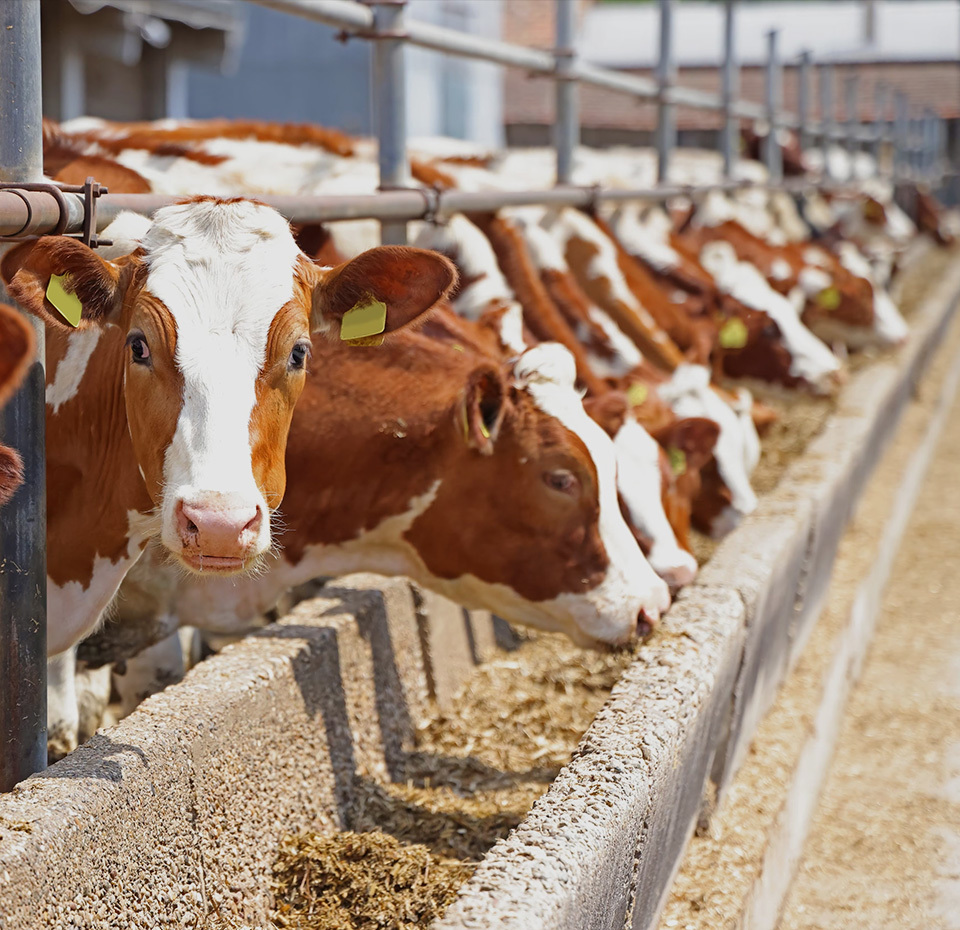
Livestock such as pigs, cattle and sheep also have a certain demand for choline chloride. Choline chloride plays an important role in promoting the growth and development of livestock, improving reproductive performance, and preventing nutritional diseases. The following focuses on the application of choline chloride in pig, cattle and sheep breeding.
4.1 Application in Pig Breeding
Pigs are one of the most important livestock in the world, and the application of choline chloride in pig breeding is very extensive. Choline chloride has significant effects on promoting the growth of pigs at different growth stages (suckling pigs, weaned piglets, growing-finishing pigs) and improving the reproductive performance of sows.
4.1.1 Application in Suckling Pigs and Weaned Piglets
Suckling pigs and weaned piglets have immature digestive systems and weak immune functions, and their demand for nutrients is relatively high. Choline chloride is essential for the growth and development of suckling pigs and weaned piglets.
For suckling pigs, the choline content in colostrum and milk is limited. Adding choline chloride to the feed of lactating sows can increase the choline content in milk, thereby promoting the growth of suckling pigs. A study showed that adding 1000 mg/kg of choline chloride to the feed of lactating sows can increase the average daily gain of suckling pigs by 7.2% and reduce the mortality rate by 5.8% compared with the control group.
Weaned piglets are in a critical period of stress, and choline deficiency can easily lead to slow growth, decreased feed intake, and increased incidence of diarrhea. Adding an appropriate amount of choline chloride to the feed of weaned piglets can alleviate weaning stress, improve feed intake and average daily gain, and reduce the incidence of diarrhea. For example, a study conducted by Liu et al. (2023) showed that adding 1500 mg/kg of choline chloride to the feed of weaned piglets (21 days old) can increase the average daily feed intake by 6.3%, the average daily gain by 8.5%, and reduce the diarrhea rate by 18.2% compared with the control group. The reason is that choline chloride can enhance the immune function of weaned piglets, improve the integrity of the intestinal mucosa, and reduce the damage of intestinal epithelial cells caused by stress.
4.1.2 Application in Growing-Finishing Pigs
Growing-finishing pigs are in a stage of rapid growth, and adding choline chloride to their feed can significantly improve growth performance and feed utilization efficiency. Studies have shown that adding 800-1200 mg/kg of choline chloride to the feed of growing-finishing pigs can increase the average daily gain by 5.0-7.0% and reduce the feed conversion ratio by 3.0-5.0% compared with the control group. In addition, choline chloride can also improve the quality of pork, reduce the fat content in the meat, and increase the lean meat rate. For example, a study found that adding 1000 mg/kg of choline chloride to the feed of growing-finishing pigs can reduce the backfat thickness by 10.3% and increase the lean meat rate by 4.2% compared with the control group.
4.1.3 Application in Sows
Choline chloride has an important impact on the reproductive performance of sows. Adding an appropriate amount of choline chloride to the feed of sows during pregnancy and lactation can improve the conception rate, litter size, and birth weight of piglets, and also improve the lactation performance of sows.
During pregnancy, choline chloride can promote the growth and development of the fetus, reduce the number of stillbirths and weak piglets. A study showed that adding 1200 mg/kg of choline chloride to the feed of pregnant sows can increase the litter size by 1.2 piglets per litter, increase the average birth weight of piglets by 8.1%, and reduce the stillbirth rate by 4.5% compared with the control group. During lactation, choline chloride can improve the lactation yield and quality of sows, provide sufficient nutrients for suckling pigs, and promote the growth of suckling pigs. As mentioned earlier, adding 1000 mg/kg of choline chloride to the feed of lactating sows can significantly improve the growth performance of suckling pigs.
The optimal dosage of choline chloride in pig feed varies with the growth stage. For weaned piglets, the dosage is 1200-1500 mg/kg; for growing-finishing pigs, it is 800-1200 mg/kg; for pregnant sows, it is 1000-1200 mg/kg; for lactating sows, it is 1000-1500 mg/kg.
4.2 Application in Cattle Breeding
Cattle are ruminants, and their digestive system is different from that of monogastric animals such as pigs and poultry. The rumen microorganisms of cattle can synthesize a certain amount of choline, but the synthesized amount is often insufficient to meet the needs of cattle, especially for high-yield dairy cows and growing cattle. Therefore, it is still necessary to add an appropriate amount of choline chloride to cattle feed.
4.2.1 Application in Dairy Cows
High-yield dairy cows have a high demand for nutrients during the lactation period, and choline chloride plays an important role in improving the lactation performance and health status of dairy cows. Fatty liver is a common nutritional disease in dairy cows during the perinatal period (2 weeks before and after calving), which is mainly caused by the negative energy balance. Adding choline chloride to the feed of dairy cows can effectively prevent the occurrence of fatty liver and improve lactation performance.
Studies have shown that adding 1500-2000 mg/kg of choline chloride to the feed of perinatal dairy cows can reduce the liver fat content by 15.0-20.0% and the incidence of fatty liver by 20.0-30.0% compared with the control group. At the same time, the milk yield can be increased by 5.0-8.0%, and the milk fat rate and milk protein rate can also be significantly improved. For example, a study conducted by Smith et al. (2021) showed that adding 1800 mg/kg of choline chloride to the feed of perinatal dairy cows can increase the milk yield by 6.5%, the milk fat rate by 4.2%, and the milk protein rate by 3.1% compared with the control group. The reason is that choline chloride can promote fat metabolism, improve the energy utilization efficiency of dairy cows, alleviate the negative energy balance, and thus improve lactation performance.
In addition, choline chloride can also enhance the immune function of dairy cows, reduce the incidence of mastitis and other diseases. A study found that adding 2000 mg/kg of choline chloride to the feed of dairy cows can increase the number of lymphocytes in the blood by 12.3% and reduce the incidence of mastitis by 15.0% compared with the control group.
4.2.2 Application in Beef Cattle
Choline chloride can also promote the growth of beef cattle and improve feed utilization efficiency. Studies have shown that adding 800-1200 mg/kg of choline chloride to the feed of growing beef cattle can increase the average daily gain by 4.0-6.0% and reduce the feed conversion ratio by 3.0-4.0% compared with the control group. For finishing beef cattle, adding choline chloride can improve the quality of beef, reduce the fat content in the meat, and increase the lean meat rate. For example, a study found that adding 1000 mg/kg of choline chloride to the feed of finishing beef cattle can reduce the backfat thickness by 8.5% and increase the lean meat rate by 3.5% compared with the control group.
The optimal dosage of choline chloride in cattle feed varies with the type and growth stage of cattle. For perinatal dairy cows, the dosage is 1500-2000 mg/kg; for lactating dairy cows, it is 1200-1500 mg/kg; for growing beef cattle, it is 800-1200 mg/kg; for finishing beef cattle, it is 1000-1200 mg/kg.
4.3 Application in Sheep Breeding
Sheep are also ruminants, and their rumen microorganisms can synthesize a certain amount of choline, but the synthesized amount is still insufficient to meet the needs of sheep in the rapid growth stage and reproductive stage. Therefore, adding an appropriate amount of choline chloride to sheep feed is beneficial to improving the growth and reproductive performance of sheep.
Studies have shown that adding 800-1000 mg/kg of choline chloride to the feed of growing lambs can increase the average daily gain by 5.0-7.0% and reduce the feed conversion ratio by 3.0-5.0% compared with the control group. For breeding ewes, adding choline chloride to the feed during pregnancy and lactation can improve the conception rate, litter size, and birth weight of lambs. For example, a study found that adding 1000 mg/kg of choline chloride to the feed of pregnant ewes can increase the litter size by 0.8 lambs per litter and the average birth weight of lambs by 6.2% compared with the control group. During lactation, adding choline chloride can improve the lactation yield and quality of ewes, promote the growth of lambs.
In addition, choline chloride can also prevent the occurrence of fatty liver in sheep. A study found that adding 1000 mg/kg of choline chloride to the feed of sheep fed with high-energy feed can reduce the liver fat content by 14.5% compared with the control group.
The optimal dosage of choline chloride in sheep feed is 800-1000 mg/kg for growing lambs, 1000-1200 mg/kg for pregnant ewes, and 1000-1200 mg/kg for lactating ewes.
5. Factors Influencing the Application Effect of Choline Chloride
The application effect of choline chloride in poultry and livestock breeding is affected by many factors, such as animal species and growth stage, dosage of choline chloride, feed composition, and environmental conditions. Understanding these influencing factors is of great significance for the rational application of choline chloride and improving its application effect.
5.1 Animal Species and Growth Stage
Different animal species have different digestive systems, metabolic levels, and nutritional needs, so their demand for choline chloride and the response to choline chloride are also different. For example, monogastric animals such as pigs and poultry cannot synthesize choline by themselves, so their demand for choline chloride is higher; ruminants such as cattle and sheep can synthesize a certain amount of choline through rumen microorganisms, so their demand for choline chloride is relatively lower.
Even for the same animal species, the demand for choline chloride varies with the growth stage. Generally speaking, the demand for choline chloride is higher in the rapid growth stage, reproductive stage, and high-yield stage. For example, broilers in the starter stage have a higher demand for choline chloride than those in the finisher stage; sows during pregnancy and lactation have a higher demand for choline chloride than non-pregnant sows; high-yield dairy cows have a higher demand for choline chloride than low-yield dairy cows.
5.2 Dosage of Choline Chloride
The dosage of choline chloride is one of the key factors affecting its application effect. Adding an appropriate amount of choline chloride can promote animal growth and improve production performance; if the dosage is too low, it cannot meet the nutritional needs of animals, and the expected effect cannot be achieved; if the dosage is too high, it will not only increase the cost of feed, but also may have adverse effects on animals.
Studies have shown that excessive addition of choline chloride can cause toxic reactions in animals, such as decreased feed intake, slow growth, diarrhea, and even death. For example, adding more than 5000 mg/kg of choline chloride to broiler feed can cause a significant decrease in feed intake and average daily gain, and increase the mortality rate. In addition, excessive choline chloride can also affect the absorption and utilization of other nutrients, such as vitamins and minerals.
Therefore, when applying choline chloride, it is necessary to strictly follow the recommended dosage of relevant standards and regulations, and adjust the dosage according to the actual situation of animals.
5.3 Feed Composition
The composition of feed has a significant impact on the application effect of choline chloride. On the one hand, some ingredients in the feed contain a certain amount of choline, which can supplement the choline needs of animals, thereby reducing the amount of choline chloride that needs to be added. For example, soybean meal, fish meal, rapeseed meal and other protein feeds have high choline content; corn, wheat and other energy feeds also contain a small amount of choline. On the other hand, some ingredients in the feed can affect the absorption and utilization of choline chloride by animals.
For example, the content of methionine and betaine in the feed is related to the demand for choline chloride. Methionine can be converted into choline in the animal body, and betaine can also provide methyl groups, thereby reducing the demand for choline chloride. Therefore, if the feed contains more methionine and betaine, the dosage of choline chloride can be appropriately reduced. In addition, the fat content in the feed also affects the demand for choline chloride. High fat content in the feed will increase the burden of fat metabolism in the animal body, so the dosage of choline chloride needs to be appropriately increased to promote fat metabolism.
5.4 Environmental Conditions
Environmental conditions such as temperature, humidity, and stocking density can also affect the application effect of choline chloride. Under adverse environmental conditions (such as high temperature, high humidity, high stocking density), animals are prone to stress reactions, which will increase their demand for nutrients such as choline chloride. At this time, appropriately increasing the dosage of choline chloride can help alleviate the stress reaction and maintain the normal growth and production performance of animals.
For example, in the high-temperature season, adding an appropriate amount of choline chloride to broiler feed can alleviate the heat stress of broilers, improve feed intake and average daily gain, and reduce the mortality rate. A study showed that adding 1500 mg/kg of choline chloride to broiler feed under high-temperature conditions (32℃) can increase the average daily gain by 7.8% and reduce the mortality rate by 6.5% compared with the control group with 1000 mg/kg of choline chloride.
6. Safety of Choline Chloride and Quality Control Measures
6.1 Safety of Choline Chloride
Choline chloride is a relatively safe feed additive when used in accordance with the recommended dosage. It has low toxicity to animals, and there is no obvious residue problem in animal products. A large number of toxicological studies have shown that the acute toxicity of choline chloride is low. The oral LD50 of choline chloride in mice is about 4000-5000 mg/kg body weight, which is much higher than the recommended dosage in feed.
However, as mentioned earlier, excessive addition of choline chloride can cause toxic reactions in animals. In addition, the impurities in choline chloride products may also affect its safety. For example, some low-quality choline chloride products may contain excessive amounts of trimethylamine, which is toxic to animals and can cause symptoms such as decreased feed intake, vomiting, and diarrhea. Therefore, it is necessary to strictly control the quality of choline chloride products.
In terms of food safety, the residue of choline chloride in animal products (meat, eggs, milk) is very low when used in accordance with the recommended dosage. The World Health Organization (WHO) and the Food and Agriculture Organization of the United Nations (FAO) have no restrictions on the residue of choline chloride in animal products, which indicates that choline chloride is relatively safe for human health.
6.2 Quality Control Measures
To ensure the safety and effectiveness of choline chloride, the following quality control measures should be taken:
(1) Strictly select qualified choline chloride products. When purchasing choline chloride, it is necessary to choose products produced by regular manufacturers, check the product quality certificate, and test the content, purity, and impurity content of the product. The content of choline chloride in liquid products should not be less than 70%, and the content in solid products should not be less than 50% or 60% (depending on the product specification).
(2) Reasonably store choline chloride. Choline chloride has strong hygroscopicity and is easy to absorb moisture and agglomerate. It should be stored in a dry, cool, and ventilated place, away from direct sunlight and high temperature. At the same time, it should be stored separately from other feed additives to avoid chemical reactions.
(3) Correctly use choline chloride in feed processing. Choline chloride has a certain corrosive effect on metals, so it is necessary to use corrosion-resistant equipment during feed processing. In addition, choline chloride is unstable at high temperatures, so the processing temperature should be controlled below 180℃ to avoid the decomposition of choline chloride and the loss of activity.
(4) Strictly control the dosage of choline chloride. When formulating feed, it is necessary to calculate the dosage of choline chloride according to the animal species, growth stage, and feed composition, and strictly follow the recommended dosage. It is not allowed to arbitrarily increase the dosage to avoid toxic reactions.
7. Development Prospects of Choline Chloride in Poultry and Livestock Breeding
With the continuous development of the animal husbandry industry towards intensive, large-scale, and green development, the demand for choline chloride will continue to increase, and its application prospects are broad. In the future, the research and application of choline chloride will focus on the following aspects:
(1) Development of high-efficiency and stable choline chloride products. At present, the main problems of choline chloride products are poor stability and strong hygroscopicity. In the future, through technological innovation, it is necessary to develop choline chloride products with better stability, such as microencapsulated choline chloride. Microencapsulation technology can improve the stability of choline chloride, reduce its hygroscopicity and corrosiveness, and improve its absorption and utilization efficiency by animals.
(2) Research on the synergistic effect of choline chloride with other feed additives. Choline chloride can have a synergistic effect with many feed additives, such as methionine, betaine, vitamins, and minerals. In the future, more in-depth research should be carried out on the synergistic mechanism and optimal combination ratio of choline chloride with other feed additives, so as to improve the application effect and reduce the feed cost.
(3) Research on the application of choline chloride in special animal breeding. At present, the research on choline chloride is mainly focused on traditional poultry and livestock such as pigs, cattle, sheep, chickens, and ducks. In the future, it is necessary to expand the research scope to special animals such as rabbits, foxes, and minks, and explore the application effect and optimal dosage of choline chloride in special animal breeding.
(4) Research on the molecular mechanism of choline chloride regulating animal growth and development. At present, the understanding of the physiological functions of choline chloride is mainly at the macro level. In the future, with the development of molecular biology technology, more in-depth research should be carried out on the molecular mechanism of choline chloride in regulating fat metabolism, nerve function, and immune function, so as to provide a more solid theoretical basis for the scientific application of choline chloride.
(5) Development of green and environmentally friendly choline chloride production technology. The traditional production process of choline chloride may cause certain environmental pollution. In the future, it is necessary to develop green and environmentally friendly production technologies, such as using renewable raw materials and optimizing the production process, to reduce environmental pollution and promote the sustainable development of the choline chloride industry.
8. Conclusion
Choline chloride is an essential nutrient for poultry and livestock, and it is also an important feed additive that can significantly improve the growth performance, reproductive performance, and product quality of poultry and livestock. It plays an important role in promoting the healthy and sustainable development of the animal husbandry industry. The application effect of choline chloride in poultry and livestock breeding is affected by many factors such as animal species, growth stage, dosage, and feed composition. Therefore, it is necessary to apply choline chloride rationally according to the actual situation.
In terms of safety, choline chloride is relatively safe when used in accordance with the recommended dosage, and there is no obvious residue problem in animal products. However, it is necessary to strictly control the quality of choline chloride products and the dosage in feed to avoid adverse effects caused by excessive addition or poor product quality.
In the future, with the continuous progress of science and technology, the research and application of choline chloride will be more in-depth and extensive. The development of high-efficiency, stable, and green choline chloride products, the research on synergistic effects with other feed additives, and the exploration of molecular mechanisms will further improve the application value of choline chloride in poultry and livestock breeding, and make greater contributions to the development of the animal husbandry industry.
References
1. Zhang, Y., Li, J., & Wang, L. (2022). Effects of choline chloride on growth performance and meat quality of broilers. Journal of Animal Science and Biotechnology, 13(1), 1-8.
2. Li, H., Zhang, S., & Liu, Y. (2021). Influence of choline chloride on fat metabolism and meat quality of broilers. Poultry Science, 100(5), 101023.
3. Wang, J., Zhao, Y., & Chen, G. (2020). Effects of choline chloride on egg production performance and egg quality of layers. Journal of Poultry Science, 57(3), 189-196.
4. Liu, C., Zhang, H., & Li, M. (2023). Effects of choline chloride on growth performance and intestinal health of weaned piglets. Journal of Swine Production, 32(2), 105-112.
5. Smith, A. B., Jones, C. D., & Brown, E. F. (2021). Choline chloride supplementation improves lactation performance and reduces fatty liver incidence in perinatal dairy cows. Journal of Dairy Science, 104(8), 8901-8910.
6. National Research Council (NRC). (2012). Nutrient Requirements of Poultry (10th ed.). National Academies Press.
7. National Research Council (NRC). (2012). Nutrient Requirements of Swine (11th ed.). National Academies Press.
8. National Research Council (NRC). (2001). Nutrient Requirements of Dairy Cattle (7th ed.). National Academies Press.
9. FAO/WHO. (2018). Joint FAO/WHO Expert Committee on Food Additives (JECFA) Monographs. Food and Agriculture Organization of the United Nations.
10. European Food Safety Authority (EFSA). (2019). Scientific opinion on the safety and efficacy of choline chloride as a feed additive for all animal species. EFSA Journal, 17(9), 5789.
Related posts
January 13, 2026
January 3, 2026
December 10, 2025