
Serbuk klorida choline sebagai makanan tambahan untuk haiwan

Sijil analisis untuk serbuk tulang ayam
Mungkin 13, 2025
Makanan ayam untuk makanan anjing, Mengapa makan ayam digunakan dalam makanan anjing
Jun 13, 2025Comprehensive Analysis of Choline Chloride Powder as a Feed Additive for Animals
Pengenalan
Kolina klorida serbuk, Tambahan pemakanan kritis dalam makanan haiwan, diiktiraf secara meluas kerana peranannya dalam menyokong kesihatan dan produktiviti pelbagai spesies haiwan, termasuk ayam, babi, Ruminan, aquaculture species, and companion animals. Classified as a B-complex vitamin (often termed vitamin B4), Kolina klorida is a quaternary ammonium salt essential for numerous physiological functions, such as lipid metabolism, cell membrane synthesis, and neurotransmitter production. Its importance stems from the fact that many animals, particularly young ones, cannot synthesize adequate amounts of choline endogenously, necessitating dietary supplementation to prevent deficiencies that could impair growth, pembiakan, dan kesihatan keseluruhan.
In animal nutrition, Kolina klorida is valued for its ability to prevent conditions like fatty liver syndrome, enhance growth rates, and improve feed conversion efficiency. The powder form, typically adsorbed onto carriers like corn cob, rice husk, or silica, lebih disukai untuk kemudahan penggabungan ke dalam formulasi makanan dan kestabilan semasa penyimpanan. Terdapat dalam kepekatan dari 50% ke 98%, Ia memenuhi keperluan yang pelbagai di seluruh industri ternakan dan akuakultur. Bahagian ini meneroka peranan pelbagai klorida choline, menyelidiki kepentingan biokimianya, aplikasi industri, dan rasional untuk kegunaannya yang meluas.
Peranan biokimia kolin klorida berakar dalam sumbangannya kepada sintesis fosfolipid, terutamanya phosphatidylcholine, yang merupakan komponen utama membran sel. Ia juga berfungsi sebagai pendahulu kepada acetylcholine, Neurotransmitter kritikal untuk fungsi saraf, dan bertindak sebagai penderma kumpulan metil, Menyokong proses metabolik seperti sintesis methionine. Dalam ayam, sebagai contoh, Suplemen choline menghalang perosis (tendon tergelincir) dan meningkatkan pengeluaran telur, semasa dalam babi, ia meningkatkan saiz sampah dan kelangsungan hidup babi. untuk ruminan, ia mengurangkan hati berlemak semasa penyusuan awal, dan dalam akuakultur, ia meningkatkan pertumbuhan dan imuniti.
Permintaan global untuk choline chloride telah melonjak kerana amalan pertanian intensif dan keperluan untuk prestasi haiwan yang dioptimumkan. Kepelbagaiannya meluas kepada haiwan sahabat, di mana ia menyokong kesihatan hati dan fungsi kognitif. bagaimanapun, Cabaran seperti sifat hygroscopic dan potensi untuk trimethylamine (TMA) Pembentukan memerlukan pengendalian dan perumusan yang teliti untuk memaksimumkan keberkesanan. Laporan ini bertujuan untuk memberikan analisis menyeluruh mengenai serbuk choline chloride, meliputi spesifikasinya, Komposisi kimia, sifat bahan, aplikasi, Dos, Keselamatan, dan penilaian saintifik perbandingan, memastikan pemahaman yang komprehensif mengenai peranannya dalam pemakanan haiwan.
Pengeluaran kolin klorida melibatkan reaksi asid hidroklorik dengan trimethylamine dan etilena oksida, mengakibatkan produk sintetik kos efektif. Walaupun sumber semula jadi seperti makanan kacang soya memberikan kolin, Kandungan pembolehubah mereka menjadikan suplemen dengan kolin klorida sintetik penting untuk pemakanan yang konsisten. Kestabilan dan kemudahan penggunaan serbuk menjadikannya ruji dalam kilang suapan, tetapi batasannya, seperti kejam dan degradasi vitamin dalam premixes, memerlukan pengurusan yang teliti. Pengenalan ini menetapkan peringkat untuk penjelajahan terperinci spesifikasi dan aplikasi Choline Chloride, menonjolkan peranannya yang sangat diperlukan dalam penternakan haiwan moden.
Spesifikasi
Serbuk Choline Chloride adalah baik, Aditif suapan berbutir direka untuk dimasukkan ke dalam diet haiwan, offering a range of concentrations and physical properties tailored to specific applications. Its specifications encompass physical form, penumpuan, Pembungkusan, storage requirements, and quality standards, ensuring its suitability for diverse animal nutrition needs. This section provides an in-depth look at these specifications, emphasizing their importance in maintaining product efficacy and safety.
Physical Form and Appearance
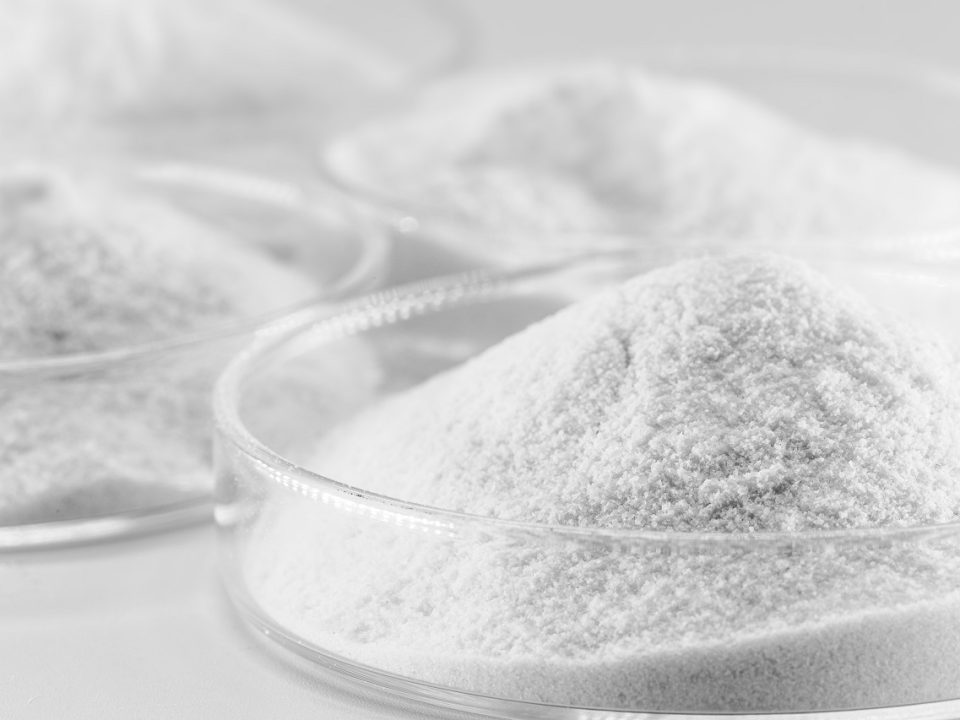
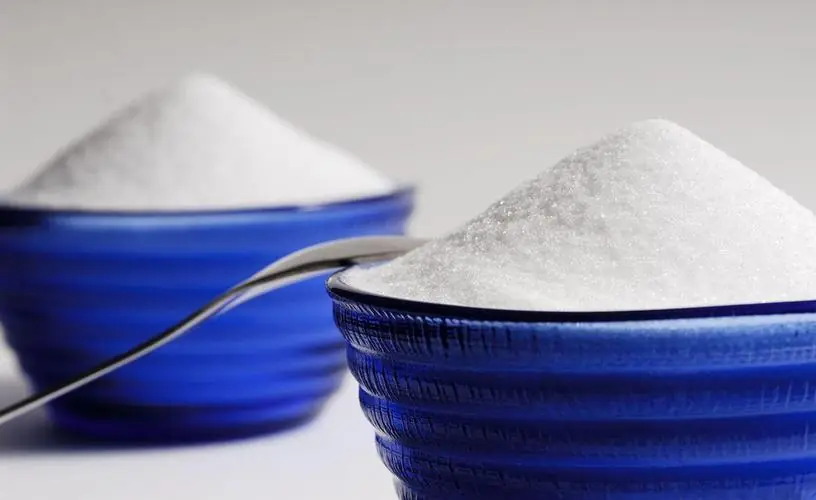
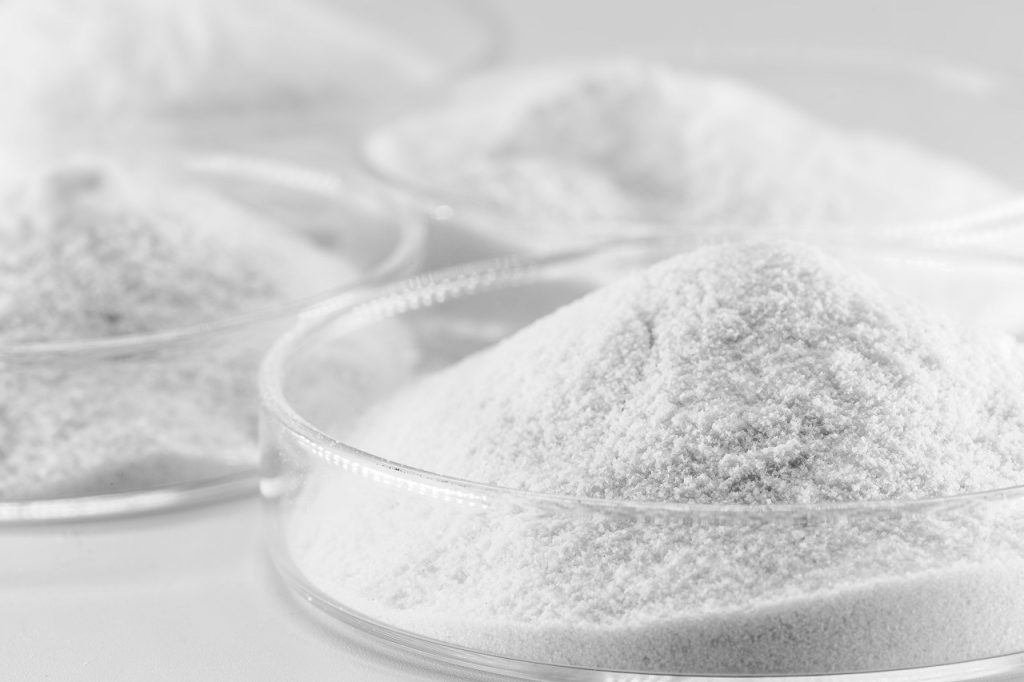
The powder form of choline chloride is characterized by its yellowish-brown or tawny appearance, often influenced by the carrier material used, such as corn cob, Silika, or rice husk powder. Its fine to granular texture ensures uniform mixing in feed, while its slight fishy odor, attributed to trace amounts of trimethylamine (TMA), is a natural characteristic. The hygroscopic nature of choline chloride requires careful handling to prevent moisture absorption, which can lead to clumping and reduced shelf life.
penumpuan
Choline chloride powder is available in concentrations ranging from 50% ke 98%, with each serving specific purposes:
-
50%: Commonly used in poultry and swine feed, adsorbed onto corn cob for cost-effectiveness.
-
60%: A versatile option for livestock and aquaculture, balancing efficacy and affordability.
-
70%: Preferred in premixes for swine and dairy cattle, offering higher potency.
-
98%: High-purity form used in specialized applications, including human supplements and pet nutrition.
The concentration refers to the choline chloride content, with approximately 25% of the molecular weight attributed to chloride, meaning a 60% product contains about 45% pure choline. This distinction is critical for accurate dosing in feed formulations.
Pembungkusan dan Penyimpanan
Serbuk Choline Chloride biasanya dibungkus 25 kg pelbagai lapisan dengan lapisan kalis air untuk melindungi kelembapan. Sesetengah pengeluar menawarkan 1 kg kg atau pilihan pukal untuk operasi berskala besar. Keadaan penyimpanan ketat kerana hygroscopicity produk, memerlukan sejuk, Kering, persekitaran yang berventilasi dengan baik. Bekas tertutup adalah penting untuk mengekalkan kestabilan, dengan jangka hayat biasa 24 bulan apabila disimpan dengan betul. Pendedahan kepada haba atau kelembapan dapat mempercepat pembentukan TMA dan merendahkan kualiti produk.
piawaian kualiti
Pengilang mematuhi kawalan kualiti yang ketat untuk meminimumkan kekotoran:
-
Trimethylamine (TMA): Terhad kepada ≤300 ppm untuk mengelakkan masalah bau dan ketoksikan yang berpotensi.
-
Logam berat (PB): Terhad kepada ≤10 ppm untuk memastikan keselamatan haiwan dan pengguna.
-
Kerugian atas pengeringan: ≤2% untuk mengekalkan kestabilan produk dan mencegah caking.
These standards align with regulatory requirements in regions like the EU and USA, ensuring safe use in animal feed. The choice of carrier (cth., corn cob vs. Silika) affects the product’s flowability and stability, with silica-based products offering superior performance in humid conditions but at a higher cost.
Practical Considerations
The specifications of choline chloride powder directly impact its application in feed mills. sebagai contoh, yang 60% concentration is widely used due to its balance of cost and efficacy, while the 98% form is reserved for high-precision applications. The powder’s hygroscopic nature necessitates careful formulation to avoid interactions with other feed components, such as vitamins, which may degrade in its presence. This section underscores the importance of understanding choline chloride’s specifications to optimize its use in animal nutrition, setting the foundation for subsequent discussions on its chemical and material properties.
Komposisi kimia
The chemical composition of choline chloride powder is a cornerstone of its functionality as a feed additive, influencing its biological roles and stability in feed formulations. Kolina klorida, chemically known as 2-hydroxyethyl-trimethyl ammonium chloride, is a quaternary ammonium salt with the molecular formula C₅H₁₄ClNO and a molecular weight of 139.62 g/mol. This section delves into its composition, kekotoran, and their implications for animal nutrition.
Elemental Composition
The approximate elemental breakdown of pure choline chloride is as follows:
|
Element |
Peratusan |
|---|---|
|
Carbon (c) |
34.5% |
|
Hidrogen (H) |
8.0% |
|
nitrogen (N) |
10.0% |
|
Oxygen (O) |
11.5% |
|
Chlorine (CL) |
25.5% |
In commercial powder forms (cth., 50% atau 60% penumpuan), Baki beratnya terdiri daripada pembawa seperti tongkol jagung atau silika, yang menstabilkan produk dan memudahkan pengendalian. Pembawa ini tidak aktif dan tidak menyumbang kepada nilai pemakanan tetapi mempengaruhi sifat fizikal produk, seperti keabsahan dan hygroscopicity.
Kelarutan dan kereaktifan
Choline Chloride sangat larut dalam air, menjadikannya mudah bioavailable dalam sistem pencernaan haiwan. Ia sedikit larut dalam etanol tetapi tidak larut dalam pelarut neutral, yang mempengaruhi penggabungannya ke dalam makanan. Kereaktifannya termasuk pembentukan pelarut eutektik yang mendalam dengan sebatian seperti urea atau gliserol, harta yang dieksploitasi dalam beberapa aplikasi perindustrian tetapi kurang relevan dalam makanan. bagaimanapun, Sifat hygroscopicnya boleh membawa kepada interaksi dengan komponen suapan lain, terutamanya vitamin, causing degradation if not properly managed.
kekotoran
Quality control is critical to minimize impurities that could affect animal health or product quality:
-
Trimethylamine (TMA): A byproduct of choline chloride synthesis, TMA is limited to ≤300 ppm to avoid fishy odors in animal products like eggs or pork. Excessive TMA can also reduce bioavailability.
-
Logam berat: Lead and other heavy metals are restricted to ≤10 ppm to ensure safety.
-
Kandungan lembapan: Loss on drying is kept at ≤2% to prevent caking and maintain stability.
Biological Implications
The chemical composition underpins choline chloride’s role in animal metabolism. The nitrogen and carbon components are integral to its function as a precursor to phosphatidylcholine and acetylcholine. The chloride ion ensures solubility and stability, Walaupun bahan pembawa dalam produk penentuan rendah mengurangkan kos tetapi boleh mencairkan potensi. Kehadiran TMA, walaupun pada tahap yang rendah, memerlukan pemantauan yang teliti, Oleh kerana mikrobiota usus boleh menukar sehingga 66% kolin pemakanan ke TMA, Mengurangkan bioavailabiliti dan berpotensi menyebabkan masalah bau.
Analisis perbandingan
Berbanding dengan sumber kolin semulajadi (cth., Makan kacang soya), Choline Chloride sintetik menawarkan komposisi yang konsisten tetapi bioavailabiliti yang lebih rendah kerana penukaran TMA. Bentuk semula jadi, seperti phosphatidylcholine, lebih bioavailable tetapi lebih mahal. Pilihan pembawa juga memberi kesan kepada prestasi, dengan produk berasaskan silika yang menawarkan kestabilan yang lebih baik dalam keadaan lembap berbanding dengan jagung berasaskan jagung. Bahagian ini menyoroti kepentingan komposisi kimia dalam menentukan keberkesanan dan keselamatan Choline Chloride, paving the way for a discussion of its material properties.
sifat bahan
The material properties of choline chloride powder, encompassing its physical, Kimia, and biological characteristics, are critical to its performance as a feed additive. These properties influence its handling, Kestabilan, and efficacy in animal nutrition, making them a focal point for feed manufacturers and farmers. This section explores these properties in detail, providing insights into their practical implications.
Ciri-ciri fizikal
Serbuk Choline Chloride adalah baik, granular material with a yellowish-brown or tawny appearance, depending on the carrier (cth., jagung cob, Silika). Its slight fishy odor, caused by TMA residues, is a distinguishing feature. The powder’s hygroscopicity is a significant challenge, as it readily absorbs moisture, leading to clumping and potential degradation of other feed components. Particle size varies from fine to granular, ensuring uniform distribution in feed but requiring careful storage to maintain flowability.
Sifat-sifat kimia
Chemically, choline chloride is stable under normal conditions but can degrade vitamins A, D, and K in premixes due to its hygroscopic and slightly corrosive nature. This degradation is exacerbated in the presence of metallic elements, memerlukan perumusan yang teliti. Its high water solubility enhances bioavailability but also contributes to its hygroscopicity, requiring sealed storage. Choline chloride’s reactivity with compounds like urea or glycerol is less relevant in feed but highlights its chemical versatility.
Biological Properties
Biologically, choline chloride is a critical nutrient:
-
Metabolisme Lipid: Prevents fatty liver syndrome by promoting phospholipid synthesis, terutamanya phosphatidylcholine, which facilitates fat transport.
-
Sintesis Neurotransmitter: Serves as a precursor to acetylcholine, supporting nerve function and coordination.
-
Cell Membrane Integrity: Contributes to phosphatidylcholine, a key component of cell membranes.
-
Derma kumpulan metil: Acts as a methyl donor, sparing methionine and supporting metabolic processes.
These properties make choline chloride indispensable for young animals and those under high metabolic stress, such as lactating cows or rapidly growing broilers.
Implikasi praktikal
The hygroscopic nature of choline chloride requires dry storage and careful formulation to prevent interactions with other feed components. Its corrosivity, particularly in liquid forms, can damage equipment, necessitating stainless steel or coated machinery. The biological properties ensure its efficacy across species, but the potential for TMA formation reduces bioavailability, requiring precise dosing to avoid waste. Silica-based carriers improve stability compared to corn cob, but their higher cost may limit use in budget-conscious operations.
Analisis perbandingan
Compared to liquid choline chloride, the powder form is easier to handle and store but less flexible in certain applications, such as drinking water supplementation. Natural choline sources, like soybean meal, offer variable choline content, making synthetic choline chloride a more reliable choice for consistent nutrition. This section underscores the importance of understanding choline chloride’s material properties to optimize its use in feed, setting the stage for its applications in animal nutrition.
Applications in Animal Nutrition
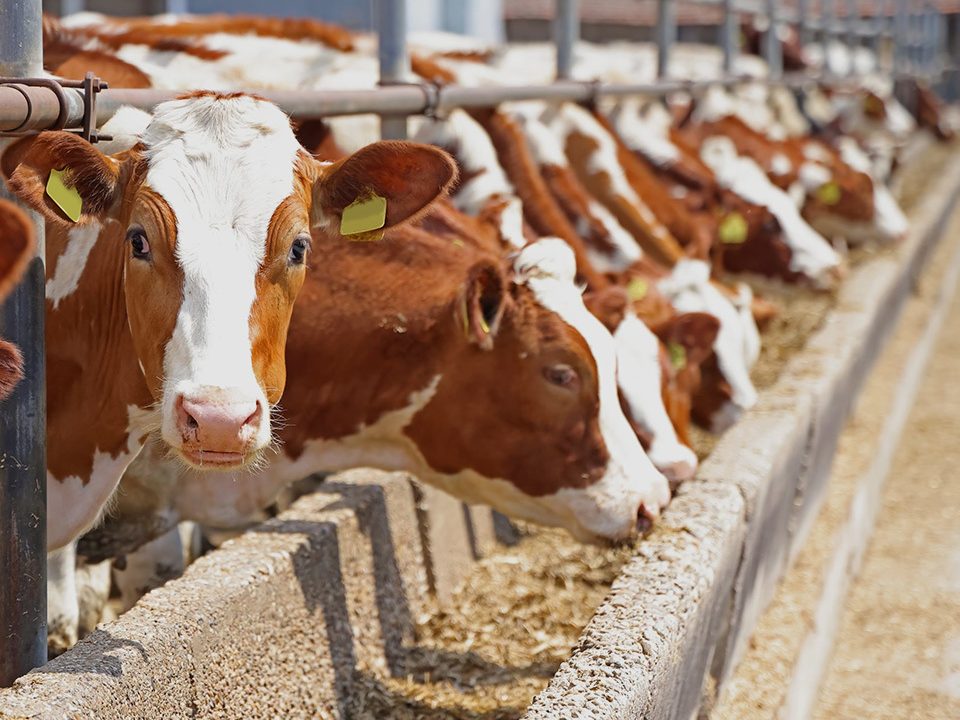
Choline chloride powder is a versatile feed additive with applications across poultry, babi, Ruminan, akuakultur, and companion animals. Its role in supporting growth, kesihatan, and productivity makes it a cornerstone of modern animal nutrition. This section explores its applications, highlighting species-specific benefits and deficiency symptoms.
ayam
Dalam ayam, choline chloride enhances growth, kecekapan suapan, and egg production. Untuk broiler, supplementation at 600–1200 g/ton of feed improves weight gain and prevents perosis and fatty liver syndrome. Dalam lapisan, it supports egg production, eggshell quality, and yolk formation, with recommended intakes of 105 mg/hari untuk lapisan putih telur dan 115 mg/day for brown egg layers. Deficiency symptoms include reduced growth, perosis, and poor hatchability.
babi
For swine, choline chloride improves piglet survival and sow fertility. Doses of 600–1300 g/ton support lipid metabolism and growth in piglets, while in sows, it enhances litter size and reproductive health. Deficiency symptoms include slower growth, gangguan tingkah laku, and fatty liver.
Ruminan
Dalam lembu tenusu, Kolina klorida (500–1000 g/ton) prevents fatty liver during early lactation and enhances milk production. In beef cattle, it supports weight gain and reduces fat deposition. Deficiency symptoms include respiratory issues, reduced appetite, and slower growth.
akuakultur
In fish and shrimp, Kolina klorida (800–3000 g/ton) promotes growth, improves feed efficiency, and enhances immunity in intensive systems. Deficiency symptoms include fatty liver, kidney bleeding, and poor growth.
haiwan peliharaan
In dogs and cats, choline chloride supports liver health and cognitive function, particularly in cases of seizures or cognitive dysfunction. Deficiency symptoms include liver dysfunction and reduced appetite.
Practical Considerations
The efficacy of choline chloride depends on feed composition, as natural sources like soybean meal provide variable choline levels. Its methionine-sparing effect reduces dietary costs, but over-supplementation should be avoided to prevent TMA-related odor issues. This section highlights the broad applicability of choline chloride, emphasizing its role in optimizing animal health and productivity.
Dosage Recommendations
Proper dosing of choline chloride powder is critical to maximize its benefits while avoiding waste or adverse effects. Dosage varies by species, umur, production stage, dan komposisi makanan. This section provides detailed recommendations, supported by a table and practical considerations.
Dosage Table (60% penumpuan)
|
Spesies |
Dos (g/ton of feed) |
Nota |
|---|---|---|
|
ayam daging |
600–1200 |
Higher doses for starter diets; adjust based on natural choline content. |
|
Lapisan |
500-1000 |
Supports egg production; 500 g/ton sufficient for maintenance. |
|
babi |
600–1300 |
Higher doses for piglets and sows to support growth and reproduction. |
|
Dairy Cattle |
500-1000 |
Prevents fatty liver during early lactation. |
|
ikan |
800–2000 |
Higher doses for intensive systems to support growth and immunity. |
|
udang |
1000-3000 |
Enhances growth and survival in high-density aquaculture. |
Factors Influencing Dosage
-
Natural Choline Content: Ingredients like soybean meal (2500–3000 mg/kg choline) reduce supplementation needs.
-
Production Stage: Growing animals and lactating females require higher doses.
-
Feed Processing: Pelleting or extrusion may reduce choline bioavailability, necessitating higher inclusion rates.
Practical Considerations
Over-supplementation (>2000 mg/kg in poultry) provides no additional benefits and may increase TMA production, leading to odor issues. The methionine-sparing effect allows for reduced methionine inclusion, mengurangkan kos makanan. Careful formulation is needed to avoid interactions with vitamins, and silica-based carriers may improve stability in high-humidity environments. This section provides a comprehensive guide to dosing, ensuring optimal use of choline chloride in animal nutrition.
Safety and Handling
The safety and handling of choline chloride powder are critical to its effective use in animal feed. This section covers safety for animals, humans, and the environment, along with handling considerations to maintain product quality.
Safety for Animals
Choline chloride is safe at recommended doses, with a small margin of safety in poultry and swine. Overdose should be avoided, particularly when used in both feed and drinking water. Excessive TMA production (>300 ppm) can cause fishy odors in animal products, affecting marketability. Deficiency risks include fatty liver, pertumbuhan dikurangkan, and reproductive issues.
Safety for Humans
Choline chloride poses no significant risk to consumers, as it is metabolized by animals and does not accumulate in tissues. For workers, inhalation risks are low, as particles are unlikely to reach alveoli. Aqueous solutions (Sehingga 70%) are non-irritant, but solid forms may cause skin sensitization in sensitive individuals.
Kesan alam sekitar
Choline chloride use in feed has minimal environmental impact, as it does not significantly increase soil or water concentrations. Proper disposal of unused product is recommended to prevent localized contamination.
Handling Considerations
The powder’s hygroscopicity requires sealed storage to prevent clumping and vitamin degradation. Its corrosivity, particularly in liquid forms, necessitates appropriate equipment. Quality control ensures low TMA and heavy metal levels, maintaining safety and efficacy. This section underscores the importance of proper handling to maximize choline chloride’s benefits while minimizing risks.
Scientific Analysis and Comparison
This section provides a scientific evaluation of choline chloride’s efficacy, comparing it with alternative choline sources and analyzing its challenges and benefits.
Efficacy in Animal Nutrition
Research demonstrates choline chloride’s effectiveness:
-
ayam: Emmert and Baker (1997) found optimal growth in broilers at 800 mg/kg, with improved feed conversion.
-
babi: Doses of 600–1300 g/ton enhance piglet survival and sow fertility.
-
akuakultur: 1000–3000 g/ton improves shrimp growth and immunity.
Synthetic vs. Natural Choline
-
Synthetic Choline Chloride: Cost-effective but prone to TMA conversion (Sehingga 66% loss).
-
Natural Choline (cth., Natu-B4™): More bioavailable, thermostable, and TMA-free but costlier.
Alternatives
-
phosphatidylcholine: Offers higher potency and stability but requires lower doses.
-
Juga: Acts as a methyl donor but lacks choline’s neurotransmitter role.
Cabaran
-
Hygroscopicity: Causes clumping and vitamin degradation.
-
TMA Formation: Reduces bioavailability and causes odor issues.
-
Vitamin Interactions: Accelerates degradation of vitamins A, D, and K.
Jadual perbandingan
|
Parameter |
Kolina klorida (60%) |
phosphatidylcholine |
Juga |
|---|---|---|---|
|
kos |
rendah |
tinggi |
Sederhana |
|
bioavailabiliti |
Sederhana |
tinggi |
tinggi (methyl donor only) |
|
Hygroscopicity |
tinggi |
rendah |
rendah |
|
TMA Formation |
tinggi |
Tiada |
Tiada |
This section highlights choline chloride’s efficacy and challenges, providing a scientific basis for its use and comparison with alternatives.
kesimpulan
Choline chloride powder is a vital feed additive, supporting animal health and productivity across species. Its role in lipid metabolism, Sintesis Neurotransmitter, and methyl donation makes it indispensable, particularly for young or high-producing animals. While its hygroscopicity and TMA formation pose challenges, proper handling and formulation can mitigate these issues. Alternatives like phosphatidylcholine offer advantages but at higher costs. By adhering to recommended dosages and storage practices, farmers can optimize choline chloride’s benefits, ensuring sustainable and efficient animal nutrition.